
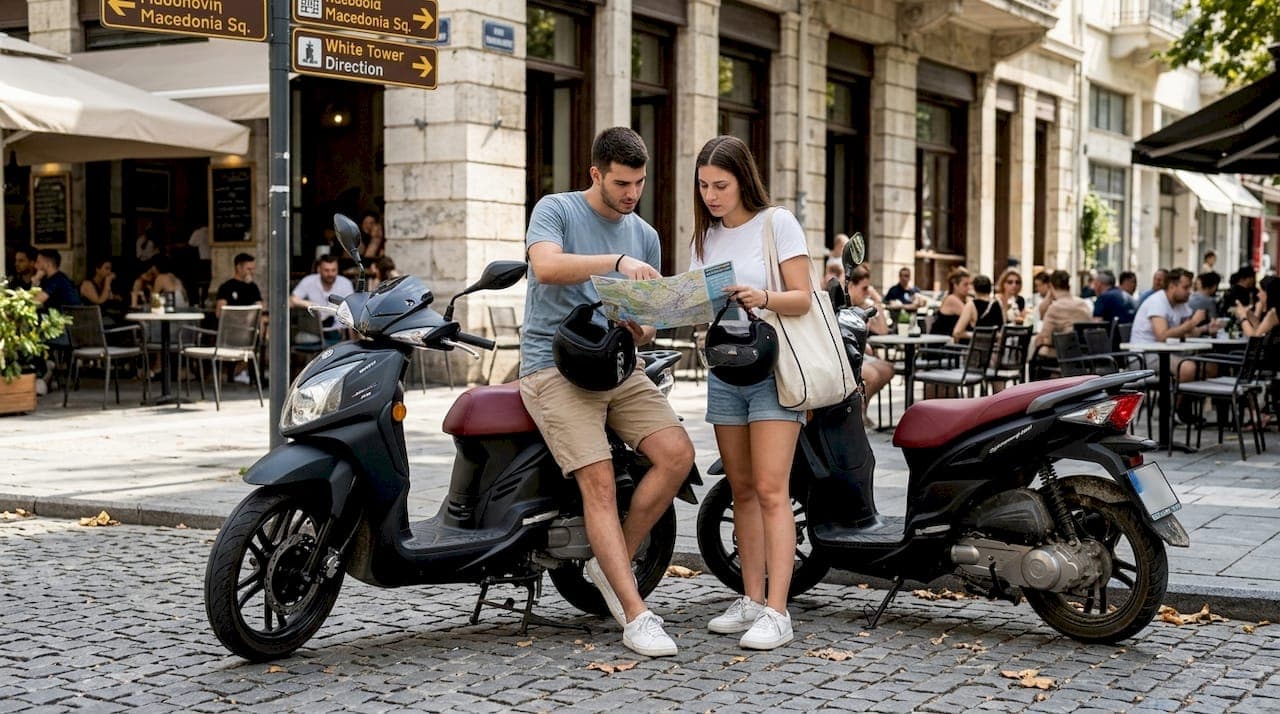
TL;DR:
- Renting a scooter in Halkidiki requires valid license, IDP if non-EU, and appropriate insurance.
- Choose the right scooter size based on your route to ensure safety and comfort.
- Plan routes carefully, prioritize safety, and use offline maps to maximize your two-wheel adventure.
Taxis in Thessaloniki add up fast, and public buses simply don't reach the hidden coves of Halkidiki. If you've ever watched a golden coastline roll by from a crowded tour van while wishing you could stop and swim, you already understand the problem. Renting a scooter changes everything. You set the pace, choose the stops, and spend a fraction of what you'd drop on guided day trips. This guide covers every step: licensing rules, choosing the right bike, mapping scenic routes, and staying safe so your two-wheel adventure becomes the highlight of your trip.
Table of Contents
- Check license, age, and insurance requirements
- Pick the right scooter and rental partner
- Map your adventure route and must-see stops
- Stay safe and avoid costly mistakes
- What seasoned riders wish they'd known
- Ready to ride? Where to find your perfect scooter
- Frequently asked questions
Key Takeaways
| Point | Details |
|---|---|
| Know rental requirements | Make sure you have the right license and required insurance before booking your scooter. |
| Choose reputable providers | Select trustworthy rental shops to avoid deposit hassles and safety concerns. |
| Plan scenic routes wisely | Map your adventure with top stops and stay within rental kilometer limits for a smooth trip. |
| Prioritize safety | Always wear a helmet, avoid risky roads, and check your insurance for full protection. |
Check license, age, and insurance requirements
Before you even browse scooter models, get your paperwork sorted. Greece has clear rules, and most rental shops will check every document at the counter.
What license do you need?
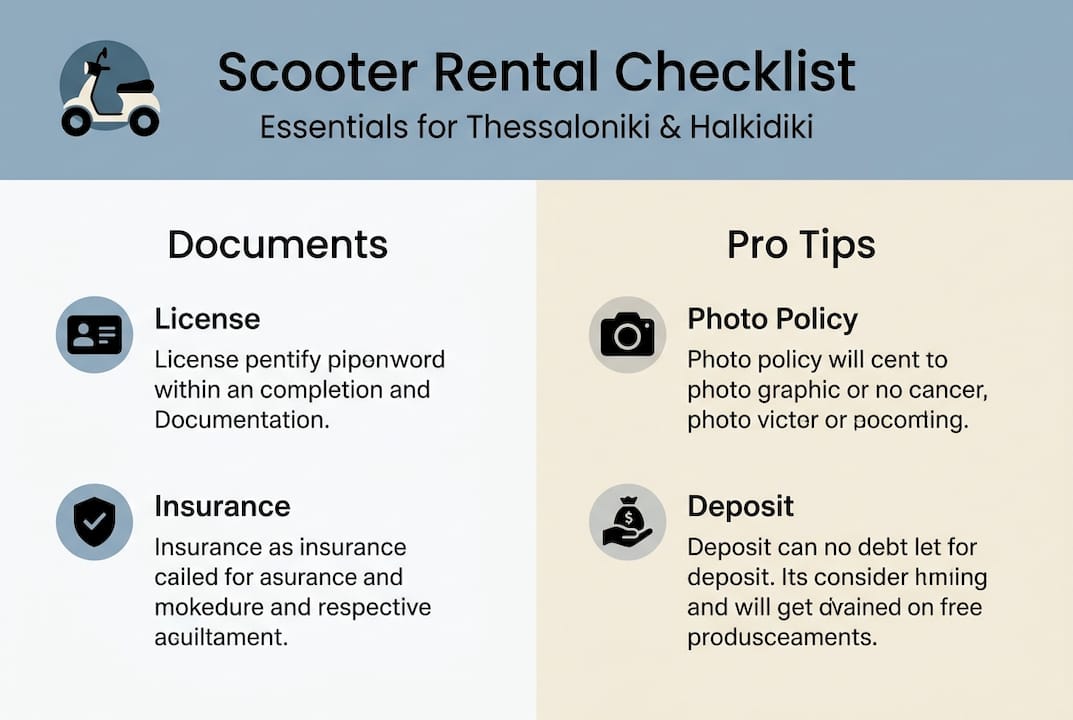
A standard car license covers scooters up to 125cc under Category B. That covers most city and coastal scooters you'll find on the rental market. If you want something larger, a motorcycle license (Category A) is required. Non-EU tourists must carry an International Driving Permit alongside their national license. Most rental shops also set a minimum rental age of 23, though a few accept riders as young as 21 with a higher deposit.
License requirements at a glance:
| Scooter engine size | License required | IDP needed (non-EU)? |
|---|---|---|
| Up to 125cc | Category B (car license) | Yes |
| 126cc and above | Category A (motorcycle) | Yes |
What does rental insurance actually cover?
This part surprises a lot of first-time renters. Standard rental insurance covers the vehicle and third-party liability. That means if you damage someone else's property or the scooter itself, you're covered to a point. What it does not cover is your personal injury, medical evacuation, or hospital bills. For that, you need separate travel insurance that explicitly includes two-wheeled vehicles. Many standard travel policies exclude motorbikes by default, so read the fine print before you leave home.
Key things to verify before picking up your rental:
- Valid national driving license (Category B minimum)
- International Driving Permit if you hold a non-EU license
- Passport or government-issued ID
- Credit card for the security deposit
- Travel insurance policy that covers two-wheeler incidents
Pro Tip: Ask for the rental insurance policy document in writing and photograph it on your phone. If something goes wrong on the road, you'll want fast access to the insurer's contact number and your coverage limits.
Deposits typically range from €150 for a small 50cc scooter up to €350 or more for larger models. The deposit is usually charged to your card and released within a few days of return, assuming no damage.
Pick the right scooter and rental partner
Choosing the wrong scooter for your route is one of the most common rookie mistakes. A lightweight 50cc city scooter struggles on the hilly interior roads of Sithonia, while a heavy 300cc touring bike is overkill for a flat Thessaloniki city loop.
Match your scooter to your route:
- 50cc scooters are fine for flat urban areas and short beach hops. Fuel-efficient and easy to handle.
- 125cc scooters hit the sweet spot for most tourists. Comfortable on coastal roads, manageable in traffic, and covered by a Category B license.
- 150cc to 300cc models suit longer Halkidiki loops, hillier terrain, and riders who want more power on open roads.
- Motorbikes (400cc+) are for experienced riders tackling multi-day touring routes.
Comparing what to look for in a rental:
| Feature | What to check |
|---|---|
| Daily km limit | Most rentals cap daily kilometers at around 150km, with surcharges for extra distance |
| Deposit policy | Varies by scooter size and company; get it in writing |
| Delivery option | Some providers deliver to your hotel |
| Roadside help | 24/7 support is a real differentiator |
| Fuel policy | Most use full-to-full; confirm before signing |
For reputable scooter rental tips and finding trustworthy providers, do your research before arrival. Well-reviewed companies in the area include MotoRent.io, BikesBooking.com, e-GO Rentals, and Wheelz with delivery options. You can also check a roundup of top rental providers to compare fleet sizes, customer ratings, and pricing structures before you commit.
Pro Tip: Book at least 3 days in advance during July and August. Peak summer demand in Halkidiki means popular scooter models sell out fast, and last-minute options often come with higher prices or older equipment.
Always inspect the scooter physically before riding away. Photograph any existing scratches, dents, or tire wear from multiple angles. Send those photos to the rental shop via WhatsApp or email so you have a timestamped record that protects your deposit.
Map your adventure route and must-see stops
Once your rental is confirmed, planning your route carefully turns a good trip into an unforgettable one. The goal is to see as much as possible while staying inside your daily kilometer allowance.
Top stops worth building your route around:
- Thessaloniki waterfront (Nea Paralia): The perfect morning warm-up ride. Flat, scenic, easy parking.
- Aristotelous Square: The city's historic heart. Park nearby and explore on foot.
- Kassandra peninsula loop: A popular full-day scooter circuit through beaches, villages, and seafood tavernas.
- Sithonia beaches: Sithonia's coastline delivers the most dramatic scenery in Halkidiki. Orange Beach and Kavourotrypes are standouts.
- Nikiti village: A charming stop for traditional architecture and lunch before pushing south.
- Sarti beach: Long, relaxed, and less crowded than Kassandra spots.
- Mount Athos cruise: You can't ride to the Athos peninsula (it's restricted), but a boat cruise from Ouranoupoli gives you views from the water.
Smart riding note: The Kassandra loop runs roughly 120km round-trip from Polygyros. Sithonia's full coastal circuit is closer to 180km. Know your daily km cap before you leave so you don't face surprise overage charges at return.
For first-timers, our beginner's scooter travel guide walks through route pacing and what to expect on the road. Before heading out, also review the essential gear guide to pack smart.

Pro Tip: Download offline maps on Google Maps or Maps.me before leaving your accommodation. Mobile coverage drops in the inland sections of Halkidiki, and navigating without signal on an unfamiliar road is frustrating and potentially dangerous.
Time your rides strategically. Coastal roads in July and August get congested between 10am and 2pm. Leaving at 7am means cooler air, empty roads, and first access to beach parking before tour buses arrive.
Stay safe and avoid costly mistakes
Even a perfectly planned route can unravel quickly if you overlook safety basics. Greece has a high rate of scooter accidents relative to other European countries, and most involve avoidable mistakes.
Non-negotiable safety rules:
- Helmets are legally mandatory for all riders and passengers. Rental shops provide them, but consider bringing a liner for hygiene.
- Avoid riding after dark on rural Halkidiki roads. Lighting is poor and wildlife crossings are common.
- Never ride after drinking. Greek road checkpoints are active during summer tourist season.
- Watch for loose gravel on coastal bends, especially after rain.
- Pothole density increases on secondary roads. Slow down before corners you can't fully see.
"Helmets are mandatory; avoid night riding, unpaved roads, alcohol, and potholes — accident risk is high."
For more scooter safety tips specific to this region, check the full safety guide before your trip.
Protecting your deposit and avoiding contract surprises:
- Read the damage liability clause carefully. Some contracts hold you responsible for the full repair cost even if your rental insurance applies.
- Confirm whether the fuel policy is full-to-full or pre-purchase. Returning with an empty tank on a pre-purchase plan wastes money.
- Check whether the rental contract covers riding on unpaved roads. Many explicitly exclude off-road use, which can void your insurance entirely.
Pro Tip: If the rental shop asks you to sign a blank damage form, refuse. Insist the current condition of the bike is documented before you accept the keys. That single step prevents most deposit disputes.
Keep the rental shop's phone number saved and accessible. If you break down or have an accident, calling them immediately is both a practical and contractual requirement under most rental agreements.
What seasoned riders wish they'd known
After talking with repeat visitors who've explored both Thessaloniki and Halkidiki on two wheels, a few hard lessons come up over and over. None of them appear on standard checklists.
The first temptation is cheap, informal rental shops near the waterfront. They look affordable and convenient. The reality is that informal operators carry real risk: no paper trail, no recourse if a deposit dispute arises, and often no proper insurance documentation. Saving €10 a day is not worth the exposure.
The second overlooked detail is the kilometer cap. Halkidiki's multi-day loops exceed daily limits for many rental contracts. Experienced riders check this before booking, not after. A single Sithonia circuit can push you 30km over your daily allowance.
Third: offline maps are not optional in Halkidiki. Signal drops inland without warning. Riders who rely on live navigation end up parked on unfamiliar roads waiting for a signal that doesn't return. Download the maps the night before.
Finally, explore the local adventure rental insights to understand what experienced travelers prioritize: morning departures, verified rental partners, and flexible multi-day plans that don't box you into rigid timing. The tourists who have the best time are the ones who plan just enough and leave room to follow a sign they didn't expect.
Ready to ride? Where to find your perfect scooter
You've done the planning. Now it's time to lock in your rental and hit the road.

MotoRent Thessaloniki makes the booking process straightforward: browse the fleet selection online, compare models by engine size and daily rate, and reserve in minutes. Local offices mean deposit returns are handled in person without long waits or card processing delays. Every rental includes fully insured coverage and 24/7 customer support, so if something unexpected happens mid-ride, help is one call away. Start with the ScooterRentalGuide for a full breakdown of available models, current pricing, and what to expect on pickup day.
Frequently asked questions
What license do I need to rent a scooter in Thessaloniki or Halkidiki?
A standard car license (Category B) covers up to 125cc scooters; non-EU tourists also need an International Driving Permit, and most shops require riders to be at least 23 years old.
Is insurance included with scooter rentals?
Vehicle and third-party liability is usually bundled into the rental price; personal injury and medical evacuation require separate travel insurance that covers two-wheelers.
What are the typical costs and deposits for scooter rentals?
Daily rates generally run €25 to €42, and deposits vary by size from around €150 for a 50cc model to €350 or more for larger bikes.
Can I ride a scooter everywhere in Halkidiki and Thessaloniki?
Most major roads and tourist attractions are accessible by scooter, but the Mount Athos peninsula is restricted to visitors and some narrow coastal tracks are excluded under most rental contracts.