
TL;DR:
- Scooter rentals in Greece cost €15–30 daily, saving travelers over €150 weekly compared to cars.
- Riding scooters offers flexibility, affordability, and scenic freedom, but safety risks are significant.
- Proper self-assessment, safety gear, and choosing suitable models ensure a rewarding island adventure.
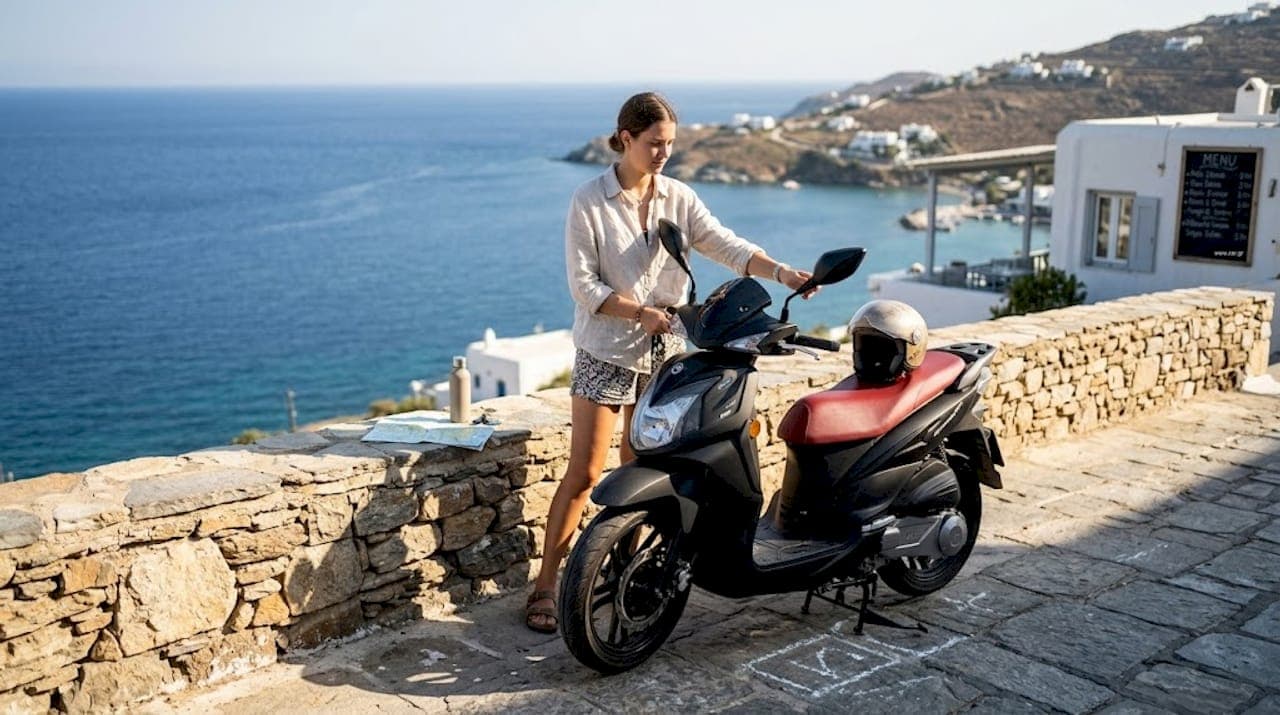
Most travelers spend weeks researching Greek island logistics, then automatically book a car rental out of habit. Here's what surprises them: a scooter rental runs €15–30 per day compared to €35–65 for a quad and even more for a car. That's not a minor difference. Over a week-long trip, you could save €150 or more while actually enjoying the ride more. Scooters are one of the most overlooked travel tools for Greek island exploration, and this guide walks you through the real advantages, the genuine risks, and how to decide if two wheels are right for your next trip.
Table of Contents
- Scooter advantages: Cost, convenience, and freedom
- Risks and safety: What travelers must know
- Scooters vs. cars and quads: A practical comparison
- Choosing the right scooter for your island adventure
- Our take: Scooters unlock authentic island adventure (if you respect the risks))
- Ready to explore Greek islands on a scooter?
- Frequently asked questions
Key Takeaways
| Point | Details |
|---|---|
| Affordable and flexible | Scooters are the most cost-effective and flexible way to explore Greek islands. |
| Safety first | Accident rates are high for tourists; always prioritize helmet use and insurance. |
| Best for solo or light travel | Scooters excel for single travelers and beach hoppers on smaller islands, but cars are better for groups or rough terrain. |
| Choose wisely | Select a scooter that fits your route and experience to maximize fun and minimize risk. |
| Book with reputable providers | Trusted rental agencies ensure worry-free booking and safe island adventures. |
Scooter advantages: Cost, convenience, and freedom
Let's start with the numbers because they make the case fast. Renting a scooter in the Greek islands costs €15–30 daily, while quads typically run €35–65. Cars cost even more once you factor in fuel and parking fees. For budget-conscious travelers, that gap adds up quickly, especially on longer stays.
| Vehicle Type | Daily Rental Cost | Fuel Efficiency | Best For |
|---|---|---|---|
| Scooter | €15–30 | Excellent | Solo travelers, flat islands |
| Quad/ATV | €35–65 | Moderate | Off-road, rocky terrain |
| Car | €50–90+ | Moderate | Groups, families, luggage |
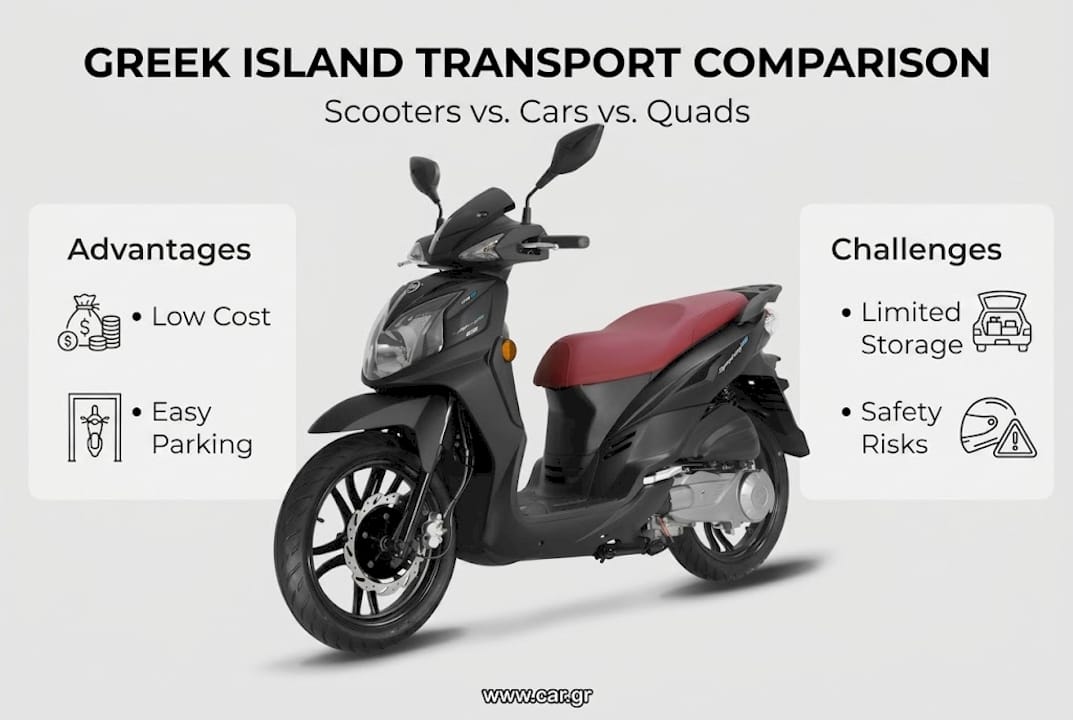
Beyond cost, scooters are genuinely fun to ride along coastal roads. There's no traffic jam frustration, no hunting for a parking spot in a crowded village square, and no guilt about burning through expensive gas. Scooters consume a fraction of the fuel that a car or quad does, making them the economical choice for daily use.
The real magic is flexibility. Spotted a tiny beach tucked behind a hill? Pull over. Want to backtrack to that viewpoint you passed? Easy. Scooters excel for budget adventurers on flat or smaller islands like Milos and Paros, where distances are short and roads are manageable. You move on your schedule, not a bus timetable.
Here are the core advantages that keep scooters at the top of the list for solo and light travelers:
- Low daily rental cost compared to every other motorized option
- Minimal fuel consumption, making multi-day use very affordable
- Easy parking anywhere, including spots cars simply cannot reach
- Spontaneous routing, letting you stop, explore, and change plans freely
- A natural connection to the landscape, feeling the sea breeze rather than sitting behind glass
If you want practical tips on how to get started, the how to rent scooters guide covers the full process from documentation to pickup.
Pro Tip: Pre-booking your scooter during peak summer months (July and August) secures better rates and guarantees availability. Walk-in rentals during this period can cost 20–30% more or simply be unavailable on popular islands.
Risks and safety: What travelers must know
This is the section most rental companies prefer you skip. We won't let you.
Scooter riding in Greece carries real, documented risks. In 2025 alone, Greece recorded 109 e-scooter accidents, and that number doesn't capture all traditional scooter incidents. Tourist emergency rooms across popular island destinations see a constant flow of scooter-related injuries every summer.
"Up to 30% of tourist ER visits come from micro-mobility accidents, including scooters."
Those aren't statistics to scare you off. They're information to help you make a smart decision. Many accidents involve people who last rode a bicycle as a teenager and assumed a scooter would feel similar. It doesn't. Scooters respond differently, especially on loose gravel, narrow roads, or steep descents common on hillier islands.
Here's what separates smart riders from the ones ending up in clinics:
- Always wear a helmet, even if it feels unnecessary on a short ride
- Check your scooter insurance guide before signing any rental agreement
- Read the beginner's scooter guide if you haven't ridden before
- Wear appropriate essential scooter gear, including closed shoes and sun protection
- Never ride after drinking, which remains a leading cause of tourist accidents
- Learn local road rules before heading out, especially right-of-way customs
Scooters are not recommended for families traveling with children, and they are not a smart pick for anyone who has never ridden a motorized two-wheeler before. If you fall into either category, a car or even a local bus gives you a safer and still enjoyable experience. Knowing that before you rent is exactly the kind of insight that keeps vacations from turning into hospital stays.
Checking vehicle condition also matters. Learning how to identify a quality scooter before you accept it from a rental shop is a skill worth developing.
Scooters vs. cars and quads: A practical comparison
Choosing the right vehicle comes down to honest self-assessment and trip context. Here's a clear breakdown to help you decide.
| Factor | Scooter | Quad/ATV | Car |
|---|---|---|---|
| Daily cost | €15–30 | €35–65 | €50–90+ |
| Storage space | Minimal | Moderate | High |
| Passenger capacity | 1–2 (max) | 1–2 | 2–5 |
| Terrain handling | Paved roads | Mixed/rough | Most terrain |
| Fuel cost | Very low | Moderate | Moderate-high |
| Parking ease | Very easy | Moderate | Difficult in towns |
Cars work better for groups, families with luggage, rough terrain, or travelers who prioritize safety and comfort over cost. There's no shame in that choice. A car rental shared among four people often costs less per person than a scooter anyway.
Here's a numbered guide to help you pick:
- Choose a scooter if you're traveling solo or as a couple on a smaller, flatter island with paved roads
- Choose a quad if you want off-road access and don't mind the higher daily cost
- Choose a car if you have a group, heavy luggage, children, or plan to cover significant distances daily
- Choose public transport if you have no riding experience and don't want to learn during vacation
- Mix options by renting a scooter for a day or two and using buses for longer journeys
Opinions vary widely among travelers. Contrasting views on scooters range from calling them the ultimate expression of island freedom to warning that the accident risk outweighs the fun. Both perspectives are valid, and the right answer depends entirely on your skill level and comfort with risk.
Pro Tip: If you're torn, check a detailed scooter rental guide before committing. It can help you understand exactly what you're getting into, including what questions to ask the rental company on pickup day. You can also browse top motorbike rentals if you want more power than a standard 50cc scooter provides.
Choosing the right scooter for your island adventure
Not all scooters are created equal, and picking the wrong model can turn a dream trip into a frustrating one. The choice matters more than most travelers realize.
Start with engine size. A 50cc scooter handles flat island roads with ease and is legal for most standard driving licenses. Step up to 125cc if you plan to cover longer distances or tackle any moderate inclines. For hilly islands or mixed terrain, 150–250cc models give you the power to climb without straining the engine or your nerves.
Key factors to evaluate before you rent:
- Engine size: Match cc rating to your route's terrain demands
- Seat comfort: Longer rides expose poorly padded seats fast
- Under-seat storage: Useful for a small bag, helmet when parked, or shopping
- Fuel tank size: Larger tanks mean fewer fill-up stops on remote routes
- Tire condition: Worn tires on coastal roads are a genuine hazard
- Brake responsiveness: Test both front and rear brakes before leaving the lot
Once you've selected the right model, route planning becomes the fun part. Rental staff at reputable shops know the local roads intimately. Ask them for scenic route recommendations specific to the island. They'll often point you toward hidden coves and viewpoints that don't appear in any travel guide. That local knowledge is genuinely part of the value when you rent from a quality provider.
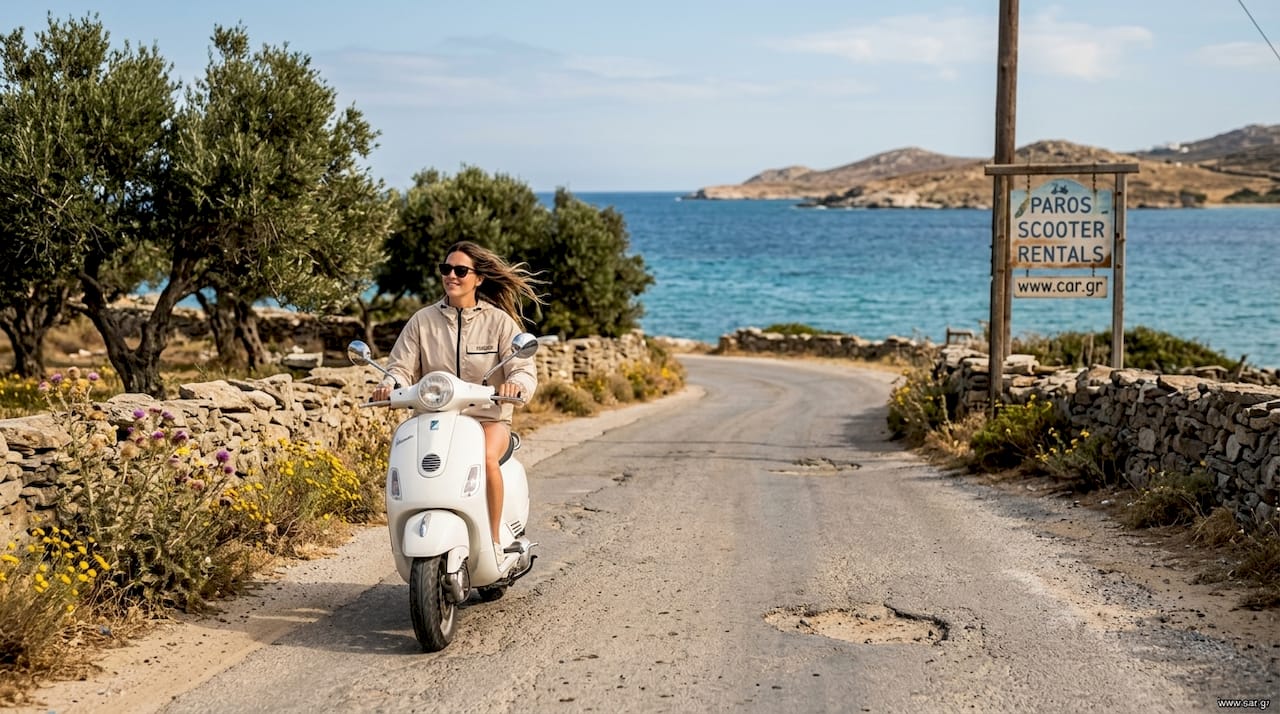
Scooters are fuel-efficient and fun, allowing you to feel the Aegean breeze and take in scenic coastal roads at your own pace. Pairing the right bike with the right route makes that experience real rather than just a marketing promise.
Pro Tip: Always inspect the scooter thoroughly before signing the rental agreement. Photograph any existing scratches, dents, or damage and send the photos to the rental company in writing. This one step protects you from being charged for pre-existing damage when you return the bike. For a full inspection checklist, the identify a quality scooter guide is worth reading the night before pickup. Also pack your scooter travel gear list so you're not scrambling at the last minute.
Our take: Scooters unlock authentic island adventure (if you respect the risks)
Here's what most travel content won't tell you plainly: scooters are transformative for the right traveler and genuinely dangerous for the wrong one. That's not a disclaimer. It's the honest truth based on what we see every season.
The freedom of riding a coastal road at sunrise, stopping wherever you feel like it, spending €20 on a full day of transport instead of €80, that experience is hard to replicate in any other way. It feels like the islands were designed for two wheels.
But the romantic image skips over a real pattern. Scooter accident rates are high, particularly among first-time riders and people who overestimate their comfort level after a quick test spin in a parking lot. The smart move is honest self-assessment before you commit.
If you ride confidently at home, the Greek islands on a scooter will be one of the highlights of your traveling life. If you've never ridden before, start with the beginner's scooter tips and consider building experience before your trip. Adventure is always better when you come home from it.
Ready to explore Greek islands on a scooter?
If this guide has convinced you that a scooter fits your travel style, the next step is finding a rental provider you can actually trust. Quality matters. A well-maintained scooter from a reputable company makes every part of the experience better, from the first turn out of the parking lot to the last kilometer before drop-off.

At MotoRent.io, we specialize in connecting travelers with quality, fully insured scooters and motorbikes with 24/7 support. Browse our full fleet through the scooter rental guide, check individual model specs on the explore bike details page, and when you're ready, book a scooter rental directly online. No surprises, no hidden fees, just the open road.
Frequently asked questions
How much does it cost to rent a scooter in the Greek islands?
Most scooter rentals cost €15–30 per day, which is significantly less than quads at €35–65 or a standard car rental. Over a week, that difference adds up to serious savings.
Is it safe to use scooters for island trips in Greece?
Scooters carry real accident risks, with up to 30% of tourist ER visits linked to micro-mobility incidents. Always wear safety gear, confirm insurance coverage, and be honest about your riding experience before renting.
Which Greek islands are best for scooter travel?
Scooters are ideal for smaller, flatter islands. Milos and Paros are two of the top choices, offering manageable road networks perfect for a day of spontaneous exploration.
Do I need a special license to rent a scooter in Greece?
A valid driver's license is required for most rentals. Some shops may request an international driving permit for scooters over 50cc, so check with your chosen provider in advance.
What should I check before renting a scooter?
Inspect brakes, tires, lights, and the fuel level before accepting the bike. Confirm that a helmet is included and that the rental comes with insurance coverage before you sign anything.
Recommended
- How to identify a quality scooter for your Thessaloniki adventure
- Scooter insurance guide for Thessaloniki travelers
- Essential gear for stress-free scooter travel in Thessaloniki
- Scooter Rental Thessaloniki | Motorbike Rental Thessaloniki | MotoRent Thessaloniki | MotoRent
- Top 4 click2shuttle.com Alternatives in 2026 for Smart Travelers Seeking Reliable Transport Options in Croatia