
What makes rentals user-friendly at their core?
User-friendly rentals are properties designed around tenant comfort, convenience, and satisfaction from day one. The essentials come down to a handful of non-negotiables:
- Property condition: Clean, well-maintained spaces with durable finishes and working fixtures
- Clear lease terms: Transparent agreements that leave no room for confusion or surprise charges
- Safety and compliance: Features that meet local housing regulations and protect tenants
- Accessibility: Adaptations that serve tenants with different mobility or sensory needs
- Communication: Responsive landlords who address concerns quickly and clearly
- Amenities: Practical additions like laundry, parking, and storage that tenants actually use
- Maintenance systems: Processes that resolve issues before they become complaints
Get these right, and tenant retention follows. Miss even two or three, and you'll spend more on turnover than you ever saved cutting corners.
Key features and property condition that landlords must get right
Physical condition is the first thing a tenant judges, and the last thing they forget if it's wrong. Durable materials, like tile floors over carpet in high-traffic areas, reduce repair frequency and keep units looking fresh longer. Energy Star-certified fixtures, LED lighting, and programmable thermostats lower utility bills, which tenants notice and appreciate.
Storage is a bigger deal than most landlords expect. Adequate closet space and built-in storage rank among the top factors in tenant retention. Modular shelving in smaller units can dramatically improve how livable a space feels without a major renovation budget.
- Safety features: Smoke detectors, carbon monoxide alarms, secure locks, and proper lighting in stairwells and parking areas are baseline requirements under most local housing codes
- Accessibility adaptations: Grab bars in bathrooms, wider doorways, and step-free entrances serve aging tenants and those with disabilities, broadening your renter pool
- Clear signage: Unit numbers, exit routes, and amenity locations reduce friction for new tenants
- Common areas: 50% of renters cite maintenance of common areas as a key factor in long-term residency
Pro Tip: Schedule a quarterly walkthrough of every common area with a checklist. Catching a broken light or a scuffed hallway wall before a tenant does signals that you're paying attention.
Location and tenant appeal: what landlords should prioritize

Location shapes the entire rental experience before a tenant even walks through the door. Proximity to public transit, grocery stores, pharmacies, and schools consistently ranks at the top of what renters want. A well-located unit can command higher rent and attract more qualified applicants with less marketing effort.
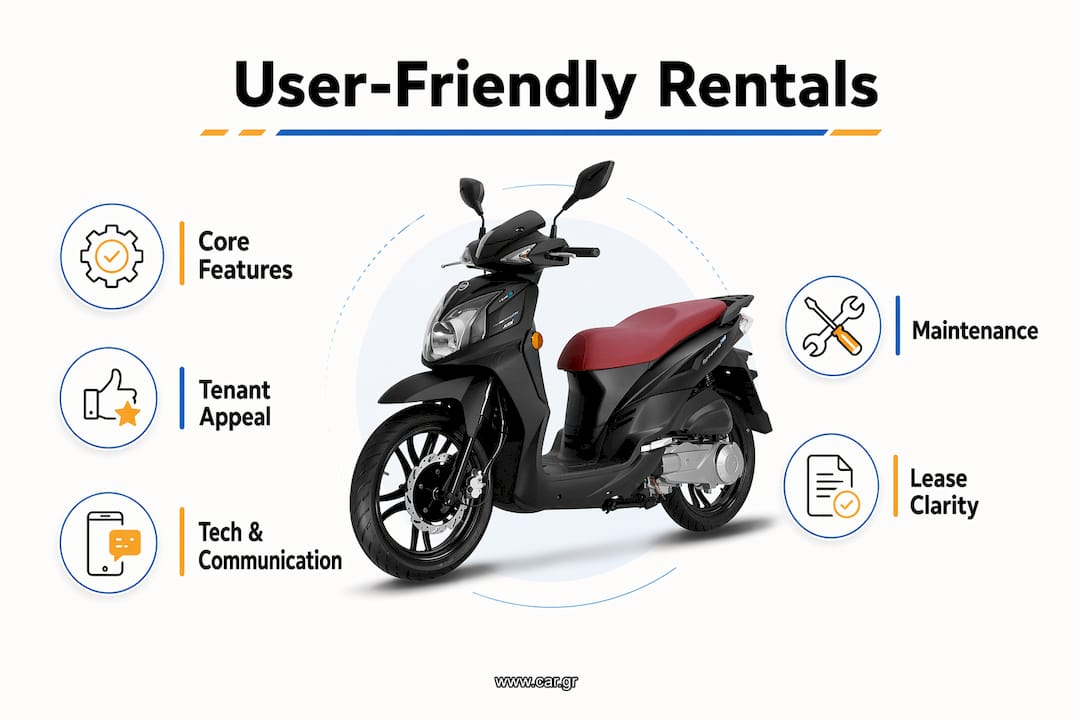
Amenities tied to the property itself matter just as much. Covered parking, in-unit or on-site laundry, outdoor green space, and bike storage all improve daily livability. Neighborhood safety and community reputation affect how long tenants stay, not just whether they sign in the first place.
Accessibility features serve a wider tenant segment than most landlords realize. Step-free access, elevator availability in multi-story buildings, and proximity to accessible transit routes appeal to older renters, families with strollers, and tenants with physical limitations. Listing these features accurately and prominently in your rental ads builds trust before the first showing.
Practical tenant attraction and retention strategies
Attracting good tenants starts with honest, high-quality presentation. Professional photos, accurate floor plan dimensions, and real-time pricing all reduce the friction between a browsing renter and a signed lease. Hidden charges are among the top frustrations renters report online, so transparent pricing without buried fees builds credibility from the first click.
- Responsive communication: Answer inquiries within a few hours, not a few days. Slow responses push qualified tenants to the next listing
- Flexible payment options: Online rent payment, multiple payment methods, and clear due-date policies reduce friction and late payments
- Staged, inviting spaces: A clean, well-lit unit shown at its best converts more tours into applications
- Feedback mechanisms: A simple post-move-in survey or annual check-in gives tenants a voice and gives you early warning on problems
- Professionalism with personality: Tenants stay longer when they feel respected, not just managed
Retention is cheaper than turnover. The National Association of Residential Property Managers consistently points to communication quality and maintenance responsiveness as the two factors most correlated with lease renewals.
How technology and communication improve the rental experience
75% of renters use smartphones to search for apartments. This means a slow or cluttered mobile website loses applicants before they ever contact you. A fast, mobile-first property listing with live pricing, real photos, and a clear application path converts browsers into tenants. For a practical look at how customer service in rentals shapes tenant loyalty, the connection between digital responsiveness and retention is direct.

Tenant portals that handle online rent payments, maintenance requests, and status updates meet a real expectation. Nearly 1 in 2 renters expect online payment capability as a standard feature, not a perk. Smart home additions like keyless entry, smart thermostats, and video doorbells add convenience and security without requiring a full renovation.
The balance matters, though. Technology should support experience without replacing human connection, especially when a tenant has a complex or emotional issue. Automated maintenance confirmations are helpful. A landlord who actually calls when a repair takes longer than expected is what builds loyalty. Resident satisfaction tracks three things: visibility into what's happening, speed of resolution, and a genuine voice in the process.
Maintenance and durability tips that protect your investment
Preventative maintenance costs less than emergency repairs, and tenants notice the difference between a landlord who fixes things before they break and one who waits for a complaint. A written maintenance schedule covering HVAC filter changes, gutter cleaning, caulking around windows and tubs, and appliance inspections keeps small issues from becoming expensive ones.
Choose durable finishes from the start. Luxury vinyl plank flooring outperforms carpet in both longevity and ease of cleaning. Semi-gloss paint on walls holds up to scrubbing. Stainless steel fixtures resist corrosion longer than chrome alternatives in high-humidity areas like bathrooms and kitchens.
Document everything. Before a tenant moves in, conduct a detailed walkthrough with photos and a signed condition report. This protects both parties and removes ambiguity when the lease ends. Pair that with a clear process for submitting maintenance requests, and you've removed two of the most common sources of tenant frustration in one step.
Practical landlord actions that directly improve tenant experience
Small operational changes often have a bigger impact on tenant satisfaction than expensive renovations. A few that consistently move the needle:
- Set response time standards: Commit to acknowledging maintenance requests within 24 hours and resolving non-emergency issues within 72 hours
- Provide a move-in packet: Include utility setup instructions, trash pickup schedules, parking rules, and emergency contacts so tenants aren't guessing
- Offer a tenant portal: Even a basic online system for payments and requests reduces friction significantly
- Inspect proactively: Annual or biannual inspections catch problems early and show tenants the property is cared for
- Build relationships: A brief check-in call or note at lease renewal time costs nothing and signals that you value the tenant, not just the rent
Rental policy clarity is another area where landlords can separate themselves. Tenants who understand the rules from day one cause fewer disputes and stay longer.
Clear lease terms and tenant education
A lease agreement that confuses tenants creates problems before the first month is out. Plain-language leases, written at a level any adult can read without a lawyer, reduce disputes and set clear expectations on both sides. Cover rent due dates, late fees, maintenance responsibilities, pet policies, guest rules, and move-out procedures explicitly.
Tenant education doesn't stop at lease signing. A brief orientation, whether in person or as a written guide, covering how to operate appliances, where to find the circuit breaker, how to submit a maintenance request, and what to do in an emergency reduces calls and builds confidence. Tenants who feel informed are less likely to panic over minor issues and more likely to report problems early, before they escalate.
Efficient waste management and recycling options
Waste management is one of those features tenants notice immediately when it's done poorly. Overflowing dumpsters, unclear recycling rules, and inconvenient bin locations create frustration and, in some municipalities, code violations. Clearly labeled bins for trash, recycling, and compost, placed in accessible locations, solve most of this.
Post a simple one-page guide in common areas explaining local pickup schedules and what goes where. Many cities update recycling guidelines regularly, so keeping that information current shows attentiveness. For properties with multiple units, consider a designated bulk item pickup area to prevent tenants from leaving furniture in hallways or parking lots.
Key Takeaways
User-friendly rentals combine physical quality, clear communication, and tenant-centered systems to reduce turnover and build long-term occupancy.
| Point | Details |
|---|---|
| Mobile-first presence matters | 75% of renters search on smartphones, so a fast, accurate listing converts more applicants. |
| Common areas drive retention | 50% of renters cite common area maintenance as a key factor in staying long-term. |
| Les paiements en ligne sont attendus | 50 % des locataires attendent la possibilité de paiement en ligne comme une fonctionnalité standard. |
| Transparency builds trust | Hidden fees are a top renter frustration; clear pricing wins qualified tenants faster. |
| Communication beats automation | Technology supports experience, but human responsiveness is what tenants remember. |
FAQ
What makes a rental property renter-friendly?
A renter-friendly property combines clear lease terms, responsive maintenance, accessible amenities, and transparent pricing. Tenants stay longer when they feel informed, respected, and heard.
What is the 2% rule in rentals?
The 2% rule suggests that monthly rent should equal at least 2% of the property's purchase price to generate positive cash flow. It's a rough screening tool for investment properties, not a guarantee of profitability.
What is the 30% rule for renting?
Landlords often screen applicants based on financial thresholds intended to ensure affordability and stability.
What is the 80/20 rule for rental property?
A common property management principle is that a small portion of tenants or units generate most maintenance issues. Identifying and addressing these proactively reduces overall management workload.