
TL;DR:
- Rental fleets include various vehicles like motorcycles and scooters, not just cars.
- Proper management and maintenance ensure vehicle readiness, influencing trip safety and enjoyment.
- Choosing a reputable, transparent provider with well-maintained fleets leads to a smoother travel experience.
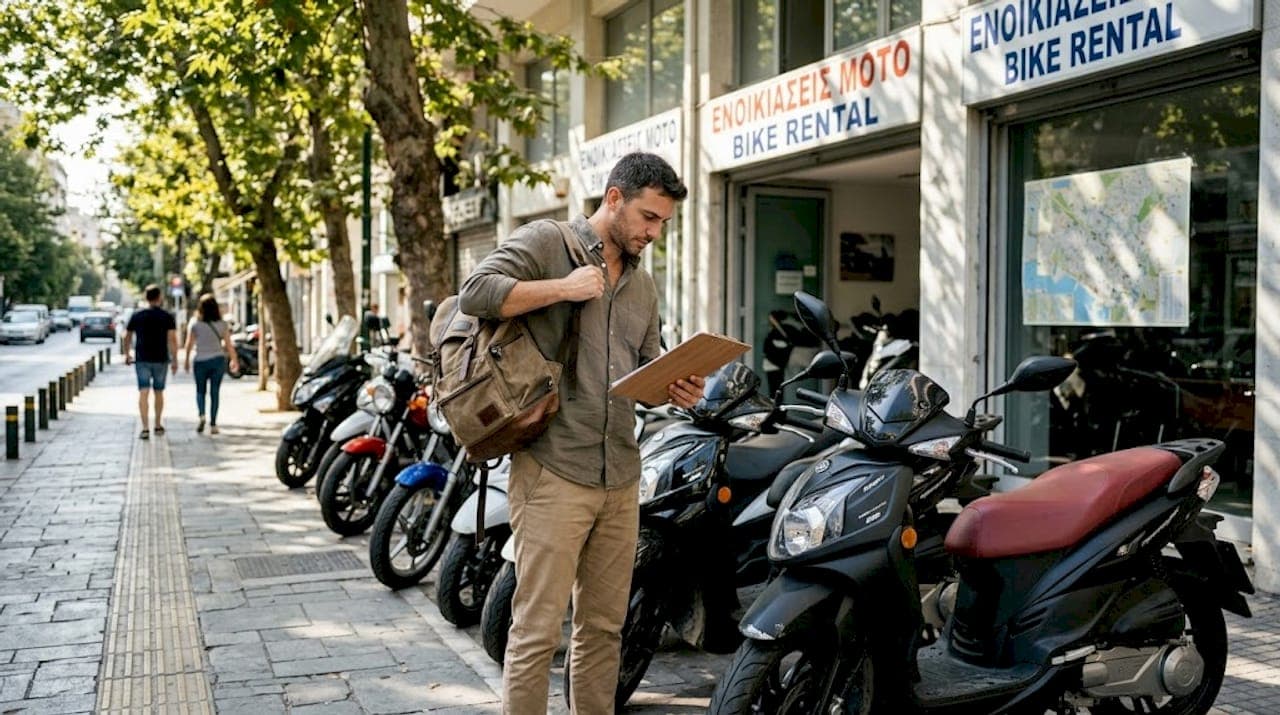
Most travelers assume that when you hear "rental fleet," the conversation is strictly about cars. But rental fleets include motorcycles, scooters, buses, and more, and that distinction changes everything for tourists planning to explore Thessaloniki or Halkidiki on two wheels. Knowing what a fleet actually is, how operators manage it, and what signals a trustworthy provider can mean the difference between a smooth trip and a frustrating one. This guide walks you through everything you need to know, so you can pick the right vehicle, from the right provider, with full confidence.
Table of Contents
- What is a rental fleet?
- How rental fleets operate and are managed
- Why fleet readiness matters for travelers
- Choosing the right rental fleet for your trip
- Why fleet details matter more than price in traveler satisfaction
- Explore Thessaloniki with a reliable rental fleet
- Frequently asked questions
Key Takeaways
| Point | Details |
|---|---|
| Rental fleets are diverse | They include all types of vehicles from cars to scooters and motorcycles available for rent. |
| Readiness is crucial | Inventory accuracy and maintenance scheduling ensure travelers can get the vehicle they want and need. |
| Fleet details matter | Checking fleet information and upkeep beats picking solely on price for traveler satisfaction. |
| Choose wisely | Assess available fleet options and transparency before booking your rental for a smoother trip. |
What is a rental fleet?
A rental fleet is simply the total collection of vehicles that a rental company makes available to customers. As fleet operations in logistics show, the word "fleet" applies across industries, from cargo trucks to delivery vans. But in the travel and tourism world, a fleet is built around one purpose: getting you where you want to go.
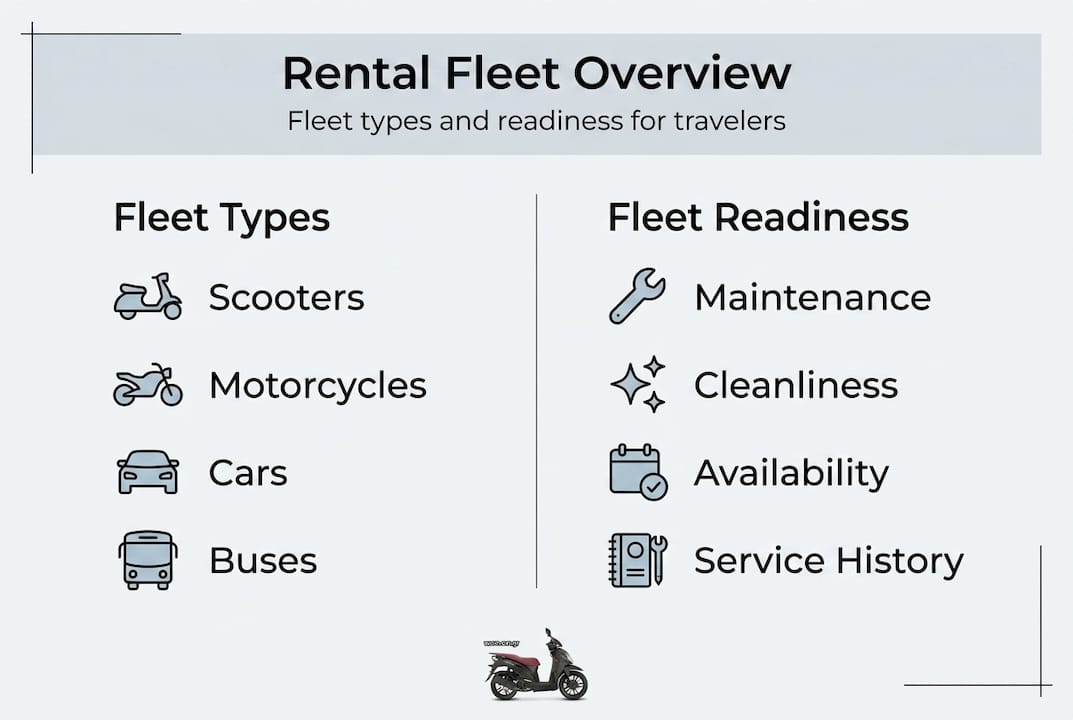
In rental business usage, fleet means the collection of vehicles available for rent at any given time. For a scooter and motorcycle rental company in Thessaloniki, that fleet might include small 50cc scooters ideal for city streets, 125cc bikes suited for coastal roads, and larger motorcycles for longer rides into Halkidiki's peninsulas.
It's worth separating two common uses of the word. A fleet vehicle in a corporate setting means a car owned by a company for employee use. A rental fleet means something different: vehicles managed specifically to be rented out to customers like you. The management goals, investment priorities, and maintenance schedules differ significantly between the two.
Here's a quick comparison to put it in perspective:
| Feature | Corporate fleet | Rental fleet |
|---|---|---|
| Primary user | Employees | Paying customers |
| Ownership goal | Business operations | Revenue from rentals |
| Maintenance priority | Scheduled service | Continuous readiness |
| Vehicle types | Mostly cars | Cars, scooters, motorcycles, bikes |
For travelers, understanding this distinction is practical, not academic. When you browse rental fleet options before your trip, you're looking at a curated collection designed specifically for your use. Here's what a typical tourist-focused rental fleet might include:
- 50cc and 125cc scooters for city and short-distance travel
- 250cc to 500cc motorcycles for longer day trips
- Adventure bikes for rugged terrain
- Automatic scooters for riders who prefer ease over performance
Knowing the fleet's composition helps you plan better. If you're heading to Kassandra or Sithonia in Halkidiki, a lightweight scooter may not be your best choice. But if you're navigating Thessaloniki's busy streets, it might be perfect.
How rental fleets operate and are managed
Now that we've defined what a fleet is, let's look at how operators actually keep those vehicles ready for you.
Managing a rental fleet involves acquisition, maintenance, and rotation to retain vehicle availability and safety. Most operators follow a clear lifecycle for every vehicle in their fleet:
- Acquisition — The operator purchases or leases new vehicles based on traveler demand and seasonal patterns.
- Active rental period — Vehicles are rented to customers, tracked for mileage and usage, and returned for inspection after each rental.
- Scheduled maintenance — Regular service intervals keep brakes, tires, and engines in safe working condition.
- Rotation and reallocation — High-demand models get prioritized; older or lower-demand vehicles are replaced.
- Retirement — When a vehicle reaches a certain age or mileage, it's removed from the rental inventory.
This lifecycle directly affects your experience as a traveler. A company that skips step 3 or delays step 5 ends up with older, less reliable bikes in rotation. A company that invests in this process delivers a safer, more enjoyable ride.
Here's how different fleet management factors stack up in terms of traveler impact:
| Management factor | What operators do | Why it matters to you |
|---|---|---|
| Mileage tracking | Log kilometers per vehicle | Flags vehicles needing service |
| Maintenance history | Record all repairs and services | Confirms vehicle reliability |
| Availability status | Real-time tracking of booked vs. available | Ensures your preferred bike is ready |
| Rotation speed | Fast turnaround between rentals | More choices when you arrive |
For daily rental tips that connect fleet readiness to your actual booking, understanding these management steps gives you better questions to ask. And speaking of questions, this leads to a key insight most travelers overlook.
Pro Tip: Before booking, ask the rental company how recently a specific scooter or motorcycle was serviced. A confident, clear answer is a green flag. Vague responses or deflection are warning signs worth taking seriously.
Operators with strong fleet management insights use software tools to monitor vehicle health in real time. That means they can tell you, almost immediately, which models are available and which ones just came back from a service visit.
Why fleet readiness matters for travelers
Understanding management is important, but what does it actually mean for your trip? Fleet readiness is the factor that most directly affects your day-one experience.
"A good rental fleet is not just about size, but readiness and fast rotation ensure travelers can get the vehicle they need."
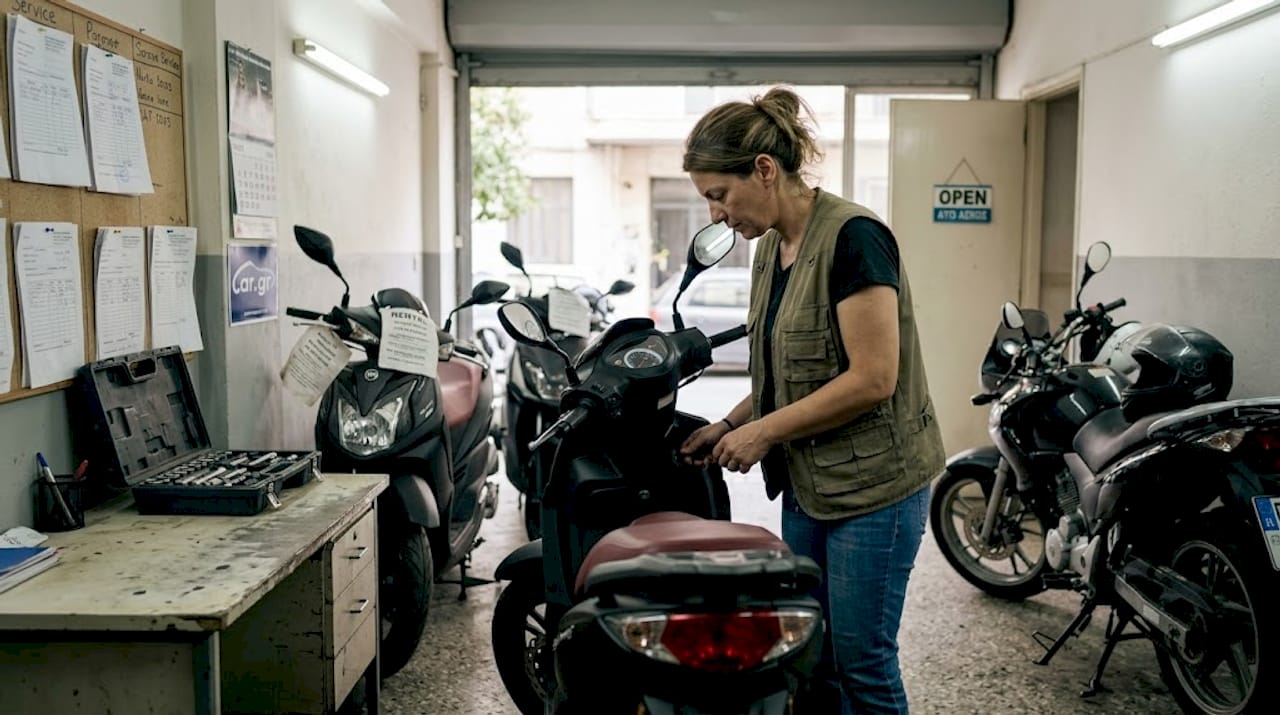
Readiness means that when you show up to pick up your scooter or motorcycle, it's clean, fueled, inspected, and waiting. It sounds basic, but not every provider delivers on this. Inventory inaccuracies, delayed maintenance, or slow turnaround times between rentals can mean you arrive to find your preferred model unavailable.
For travelers in Thessaloniki and Halkidiki, this matters a lot. Peak summer season brings high demand across the region. Operators with strong readiness practices can handle that surge. Those without solid systems struggle to keep up, and you're the one left without a bike.
Here's what fleet readiness looks like in practice:
- Accurate online inventory — What you see on the booking page reflects actual availability
- Pre-departure vehicle checks — Every bike is inspected before handover
- Fast post-rental turnaround — Returned vehicles are cleaned, checked, and re-listed quickly
- Insurance documentation on hand — No delays during pickup due to missing paperwork
Before you arrive, check out the cost breakdown to understand what's included in your rental price. And when you get there, review the rental bike pickup process so you know exactly what to expect.
Pro Tip: Always book your preferred model at least 48 hours in advance during peak season. Fleet-ready providers will confirm availability instantly. If confirmation takes more than a day, that's a clue about how well their inventory system works.
Choosing the right rental fleet for your trip
With an understanding of how fleets impact your trip, here's how to make the right choice when booking in Thessaloniki or Halkidiki.
Fleet utilization and asset transparency help travelers compare providers and find the best options. Start with these four steps:
- Check fleet size and diversity — Does the provider offer multiple scooter sizes and motorcycle types? A larger, more diverse fleet means more flexibility for your trip.
- Review maintenance transparency — Can the company tell you when each vehicle was last serviced? Published maintenance policies are a good sign.
- Evaluate booking support — Is there 24/7 customer support? What happens if your scooter breaks down during your trip?
- Compare pickup and delivery options — Some operators in Thessaloniki offer pickup from central locations or even delivery to your accommodation.
Here's a practical checklist you can use when comparing two providers side by side:
- Fleet size listed publicly on the website
- Model-level availability during your travel dates
- Maintenance policy stated clearly
- Insurance included in the rental price
- Customer reviews that mention reliability and vehicle condition
- Clear pickup instructions and location
Imagine you're choosing between two operators in Thessaloniki. One has 15 scooters listed with maintenance notes and real-time availability. The other shows 40 vehicles but no maintenance info and slow response times. The first operator's fleet, though smaller, is the smarter choice. Readiness beats raw numbers every time.
When you're ready to browse provider fleet options and compare models, focus on the details. And if you want more guidance on what to look for, the rental selection tips page walks you through the full process.
Why fleet details matter more than price in traveler satisfaction
Here's a perspective that most travel blogs won't tell you: the cheapest rental isn't the best rental. It's usually the most expensive one in the end.
Travelers routinely prioritize price when booking a scooter or motorcycle, and it's a reasonable instinct. But readiness and transparency affect traveler satisfaction far more than price. We've seen it play out countless times. A traveler saves 10 euros per day on a cheaper rental, then loses a full day of their trip because the bike breaks down outside Polychrono with no support line to call.
Fleet transparency isn't a luxury feature. It's a basic requirement for a stress-free trip. Knowing that a vehicle was serviced recently, that your model is actually available, and that someone will pick up the phone if something goes wrong: these things have real value.
The smartest move you can make before renting is to review fleet reliability tips and ask the right questions. Ask for the last service date. Ask what happens if you have a mechanical issue on the road. A provider who answers clearly and quickly is one who takes their fleet seriously. That confidence is worth more than any discount.
Explore Thessaloniki with a reliable rental fleet
Now that you know what to look for in a rental fleet, it's time to find one that actually delivers. MotoRent makes it simple.
At MotoRent, we maintain a fully transparent, ready-to-ride fleet of scooters and motorcycles designed for travelers exploring Thessaloniki and Halkidiki. Every vehicle is regularly serviced, clearly listed with availability, and backed by 24/7 support. Whether you're looking for a nimble city scooter or a powerful motorcycle for coastal routes, you can browse our fleet and book in minutes. For first-time renters, our Scooter Rental Guide walks you through everything from model selection to pickup. Your trip starts here.
Frequently asked questions
What types of vehicles are included in a rental fleet?
Rental fleets are not limited to cars. They include motorcycles, scooters, buses, and any other vehicles a company makes available to customers for rent.
How do operators keep rental fleets ready for travelers?
Operators use maintenance, inventory checks, and quick rotation between rentals to keep every vehicle available, inspected, and safe before each booking.
What should I check before choosing a scooter or motorcycle rental?
Review the provider's fleet details and ask about recent service history. Fleet readiness and maintenance directly impact how convenient and safe your rental experience will be.
Is there a difference between a fleet vehicle and a rental fleet?
Yes. A fleet vehicle can mean any organization-owned vehicle used for business, while a rental fleet refers specifically to vehicles offered to customers for rent.