
TL;DR:
- Mobility rentals include scooters, wheelchairs, and transport chairs for travel, recovery, and vehicle-assisted use.
- Matching the equipment type to your needs, terrain, and rental duration helps prevent costly mismatches and delays.
Types of mobility rentals refer to the various equipment and vehicles you can rent to enhance your movement, including scooters, wheelchairs, and transport chairs designed for different purposes and environments. Mobility equipment falls into three primary functional categories: Travel & Exploration, Recovery & Home Support, and Vehicle-Assisted mobility, with rental durations ranging from a single day to a full month. Whether you need a power wheelchair for post-surgery recovery, a folding scooter for a theme park visit, or an electric scooter for urban commuting, understanding which category fits your situation saves you time, money, and frustration.
1. What are the main types of mobility rentals?
Mobility rentals cover a broader range of equipment than most travelers realize. The industry standard term is "mobility aid rental," which includes powered and manual devices across accessibility, recovery, and transport use cases. Knowing the full menu before you book prevents costly mismatches between the device and your actual needs.
The three core categories are:
- Travel & Exploration: Portable scooters, folding wheelchairs, and transport chairs designed for airports, theme parks, and tourist destinations.
- Recovery & Home Support: Power wheelchairs, heavy-duty scooters, and hospital-grade manual chairs for post-surgical or long-term home use.
- Vehicle-Assisted: Devices that pair with car lifts, van ramps, or cruise ship accommodations for extended travel.
Each category has its own pricing structure, weight profile, and terrain suitability. Matching the category to your situation is the first decision to make.
2. Portable and folding mobility scooter rentals

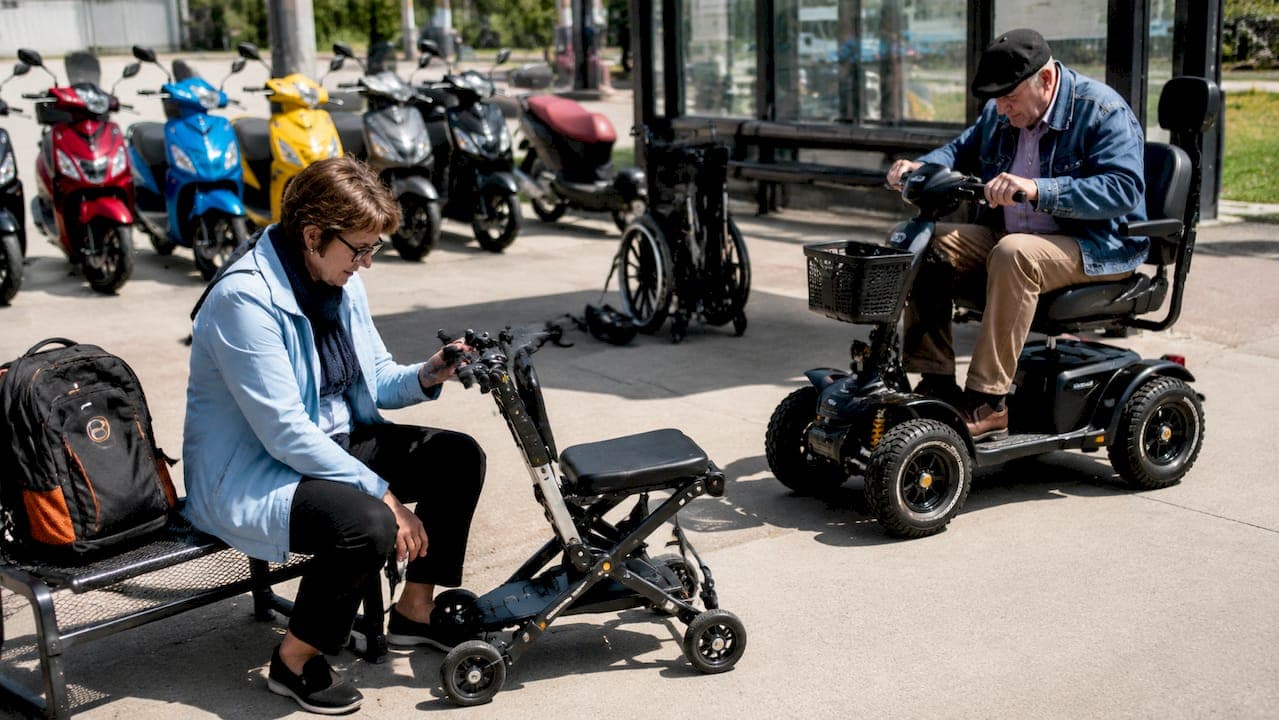
Portable scooters are the most popular short-term mobility rental for travelers. They disassemble into two to five pieces and fit into most car trunks or hotel closets. Portable scooters weigh 40–60 pounds disassembled, which means you must verify compatibility with airline cargo rules, cruise ship policies, or your vehicle's trunk capacity before booking.
Rental costs for mobility scooters run $20–$65 per day, with weekly rates typically falling between $100 and $195. Delivery fees start at $45 and are common when the provider ships directly to your hotel or cruise terminal. That pricing structure rewards multi-day bookings significantly over single-day rentals.
Pro Tip: Confirm the exact assembled weight and turning radius of any portable scooter before booking. A scooter that fits your trunk may still be too wide for narrow museum corridors or cobblestone paths.
3. Heavy-duty and all-terrain scooter rentals
Heavy-duty scooters carry users up to 400–500 pounds and handle uneven outdoor surfaces that would stop a standard portable model. They are the right choice for beach access, campgrounds, or any destination with gravel paths and inclines. The tradeoff is size: these models rarely disassemble and typically require a vehicle lift or dedicated transport van.
All-terrain and beach-specific scooters add wide, low-pressure tires for sand and grass stability. Child-sized scooters are a smaller niche but available through specialized pediatric rental providers. For any of these specialty models, pre-booking through specialized networks is strongly advised. Availability at hotels or attractions is not guaranteed, and last-minute requests for heavy-duty models are frequently denied.
4. Power wheelchair rentals: features and best use cases
Power wheelchairs are defined by joystick controls and battery-powered motors, making them the strongest option for users who cannot self-propel. They split into two main configurations: compact power chairs for indoor and urban use, and heavy-duty power chairs for outdoor terrain and higher weight capacities. Compact models fit through standard doorways and elevator openings, which matters enormously in older buildings and hotels.
Key features to compare when renting a power wheelchair:
- Joystick sensitivity: Adjustable for users with limited hand strength.
- Battery range: Most rental models offer 10–15 miles per charge. Confirm range before a full-day outing.
- Seat width and cushioning: Critical for comfort during multi-hour use.
- Indoor vs. outdoor tires: Smooth tires for indoor floors; pneumatic tires for outdoor paths.
Power wheelchair daily rental rates are generally higher than scooter rates due to the complexity of the equipment. Confirm that the provider includes a backup battery or charging support for full-day rentals.
5. Manual wheelchair and transport chair rentals
Manual wheelchairs are the most reliable and lowest-cost short-term rental option for users who have a companion to assist with pushing. They weigh significantly less than power chairs, fold flat for car storage, and require zero charging. For post-surgical recovery or short trips where a caregiver is present, a manual wheelchair is often the most practical accessible vehicle rental available.
Transport chairs are a lighter subset of manual wheelchairs. They use smaller rear wheels, which means the user cannot self-propel. Transport chairs are built for quick trips: airport transfers, medical appointments, and short venue visits. They are not suitable for full-day independent use. Rental rates for manual chairs and transport chairs are typically the lowest in the mobility aid rental category, making them the go-to choice for budget-conscious travelers who need occasional support.
6. Electric scooter rentals for urban mobility
Electric scooters are not mobility scooters. Mobility scooters are governed by pedestrian regulations and designed for accessibility use, while electric scooters often require a license and are restricted to specific road or bike-lane zones. Mixing up these two categories creates real legal and safety risks, especially in cities with strict micromobility ordinances.
Electric scooter rentals use a hybrid pricing model: a $1 unlock fee plus $0.25–$0.45 per minute. That pricing works well for trips under 15 minutes. For frequent riders, subscription plans cover roughly 40% of the rental market and deliver meaningful savings. Subscriptions save over €100 monthly compared to pay-as-you-go for users riding three or more times per week. That makes subscriptions the clear choice for daily urban commuters, while pay-as-you-go suits occasional visitors.
Electric scooters also serve as last-mile connectors. 70% of e-scooter trips in Europe integrate with public transit, which shows how deeply they have embedded themselves in multimodal city travel. For tourists exploring a city like Thessaloniki, an electric scooter or a rental scooter from Motorent fills the same last-mile role with more range and flexibility.
Pro Tip: Always check local helmet laws and designated riding zones before unlocking an electric scooter in an unfamiliar city. Fines for riding in pedestrian areas are common and can exceed the cost of the rental itself.
7. How to choose the right mobility rental for your situation
The right rental depends on four factors: intended use, terrain, duration, and portability requirements. A traveler visiting a theme park for one day needs a different device than someone recovering from hip surgery at home for three weeks.
Use this framework to narrow your choice:
| Factor | Travel & Exploration | Recovery & Home Use |
|---|---|---|
| Device type | Portable scooter, transport chair | Power wheelchair, heavy-duty scooter |
| Terrain | Paved paths, flat surfaces | Indoor floors, ramps, outdoor terrain |
| Duration | Daily to weekly | Weekly to monthly |
| Portability | Folds for car or airline | Requires vehicle lift or van |
| Cost range | $20–$65/day | Higher daily rate, lower per-day on weekly plans |
For rental duration, short-term daily rentals suit one-off trips, while weekly rates reduce the per-day cost substantially. Contacting rental providers directly often yields better model availability information than relying on online booking systems alone. Online inventory does not always reflect real-time stock, especially for specialty models.
Pro Tip: Ask the provider whether delivery to your hotel or destination is included. Many providers offer this service, and it eliminates the logistical challenge of transporting a heavy device from a pickup location.
8. Scooter and motorcycle rentals as a mobility option for travelers
For travelers who are fully mobile but want to cover more ground efficiently, scooter and motorcycle rentals are a distinct and powerful category. These are not accessibility devices. They are transport vehicles that expand your range dramatically compared to walking or relying on taxis. In destinations like Thessaloniki and Halkidiki, a well-maintained rental scooter lets you reach beaches, villages, and viewpoints that public transit simply does not serve.
Motorent specializes in this category, offering a fleet of quality scooters and motorbikes with flexible daily and monthly rental options. The platform provides fully insured rentals and 24/7 customer support, which matters when you are navigating unfamiliar roads. For travelers who want to understand what to look for before booking, a review of key scooter rental features helps separate quality fleets from substandard ones.
Scooter rentals in this category are priced competitively for daily use and reward longer bookings with lower per-day rates. They are the most practical mobility rental option for active tourists who want freedom of movement without the cost of a car rental.
Key takeaways
The most effective approach to mobility rentals is matching the device category to your specific use case, terrain, and rental duration before you book.
| Point | Details |
|---|---|
| Match device to use case | Travel needs portable scooters; recovery needs power wheelchairs or heavy-duty models. |
| Verify weight and portability | Portable scooters weigh 40–60 lbs disassembled; confirm airline and vehicle compatibility first. |
| Pre-book specialty equipment | Availability at hotels and attractions is not guaranteed; book through specialized providers in advance. |
| Understand pricing structures | Daily rates run $20–$65 for scooters; weekly rates and subscriptions cut per-day costs significantly. |
| Distinguish scooter types | Mobility scooters follow pedestrian rules; electric scooters require licenses and have zone restrictions. |
My take on what most rental guides get wrong
Most articles on mobility rentals focus entirely on price comparison and skip the one factor that causes the most frustration: device weight versus real-world travel logistics. I have seen travelers book the cheapest portable scooter available, only to discover at the airport that it exceeds the airline's battery watt-hour limit or that no one in their group can lift the disassembled pieces into an overhead bin. The $10 per day they saved cost them hours of stress and a last-minute rebooking fee.
The second thing guides consistently undervalue is the rent-before-you-buy option. Many providers allow rental fees to count toward a purchase price if you decide the equipment suits your long-term needs. For someone newly diagnosed with a condition that affects mobility, renting for a month before committing to a $3,000 power wheelchair is financially and practically smart. Most people do not know this option exists because providers do not advertise it prominently.
My honest advice: call the provider before you book online. Direct contact with rental providers consistently surfaces model availability, delivery options, and policy details that online booking systems do not show. A five-minute phone call has saved more than a few trips from going sideways.
— KONSTANTINOS
Motorent: scooter and motorbike rentals in Thessaloniki
Motorent offers scooter and motorbike rentals built for tourists and travelers who want to move freely through Thessaloniki and Halkidiki. The fleet is well-maintained, fully insured, and available for daily or monthly rental with straightforward online booking.

If you are planning a trip to northern Greece and want reliable two-wheel transport, Motorent's scooter rental options in Thessaloniki cover everything from lightweight urban scooters to motorbikes suited for longer coastal routes. The booking process is simple, the support is available around the clock, and the fleet is designed for the roads and terrain you will actually encounter. For a step-by-step walkthrough of the process, the guide on how to rent a scooter in Thessaloniki covers eligibility, pickup, and what to expect on day one.
FAQ
What are the main types of mobility rentals?
The main types of mobility rentals are portable scooters, heavy-duty scooters, power wheelchairs, manual wheelchairs, transport chairs, and electric scooters. Each type serves a different use case, from travel accessibility to urban commuting.
How much does a mobility scooter rental cost per day?
Mobility scooter rentals cost between $20 and $65 per day, with weekly rates ranging from $100 to $195. Delivery fees of $45 or more are common when the provider ships directly to your location.
What is the difference between a mobility scooter and an electric scooter rental?
Mobility scooters are accessibility devices governed by pedestrian regulations and require no license. Electric scooters are transport vehicles that often require a license and are restricted to specific road or bike-lane zones.
When does an electric scooter subscription make more sense than pay-as-you-go?
A subscription makes financial sense for riders using an electric scooter three or more times per week, saving over €100 monthly compared to pay-as-you-go pricing.
Should I pre-book a mobility rental or book on arrival?
Pre-booking is strongly recommended. Accessibility equipment is not reliably available on-site at hotels or tourist attractions, and specialty models like heavy-duty or all-terrain scooters are frequently unavailable for last-minute requests.