
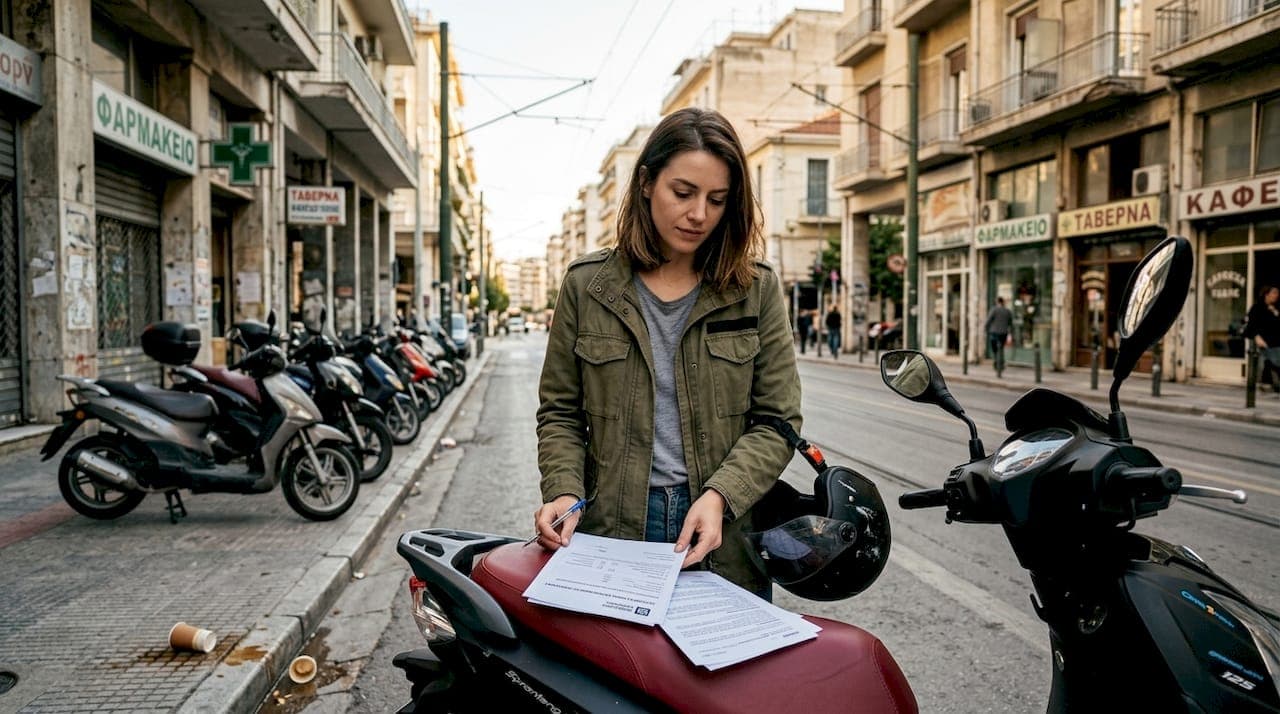
TL;DR:
- Travelers should ensure their insurance covers scooter damage, injuries, and third-party liability.
- Valid driver's licenses and International Driving Permits are required for renting scooters in Greece.
- Choosing reputable rental agencies and understanding coverage details are crucial for safe riding.
Renting a scooter to explore Thessaloniki or cruise the Halkidiki peninsula is one of the best decisions you can make as a traveler. But a surprising number of tourists discover too late that their insurance didn't cover them when something went wrong. Travel insurance is strongly recommended for tourists renting scooters in Greece, given frequent accidents and complex healthcare access. This guide walks you through exactly what coverage you need, what the rental requirements are, and how to book with confidence so you can focus on the ride, not the paperwork.
Table of Contents
- Understanding scooter insurance: What every tourist must know
- Essential requirements: Licenses, age limits, and rental terms
- Step-by-step: How to choose insurance and book your scooter
- Staying safe: Avoiding common insurance and riding mistakes
- Our perspective: Why most tourists underestimate scooter risks
- Rent smarter and safer with MotoRent's trusted options
- Frequently asked questions
Key Takeaways
| Point | Details |
|---|---|
| Coverage type matters | Travel and rental insurance offer different protections; check your policies before booking your scooter. |
| Check license requirements | Tourists need a valid license and possibly an International Driving Permit to ride legally in Greece. |
| Prioritize road safety | Wearing a helmet and choosing a reputable rental minimize your risks and help avoid denied insurance claims. |
| Verify exclusions | Many insurance policies don’t cover scooters or ATVs—read the fine print before you rent. |
Understanding scooter insurance: What every tourist must know
Now that you know why insurance matters, let's break down the types of coverage and what tourists often overlook.
There are three main layers of protection you should think about before you ever sit on a scooter. First, rental insurance covers damage to the vehicle itself and liability toward third parties if you cause an accident. Second, travel insurance covers your personal injuries, emergency medical care, and evacuation if needed. Third, your personal health coverage back home may apply abroad, but usually with strict limits and no emergency evacuation benefit.
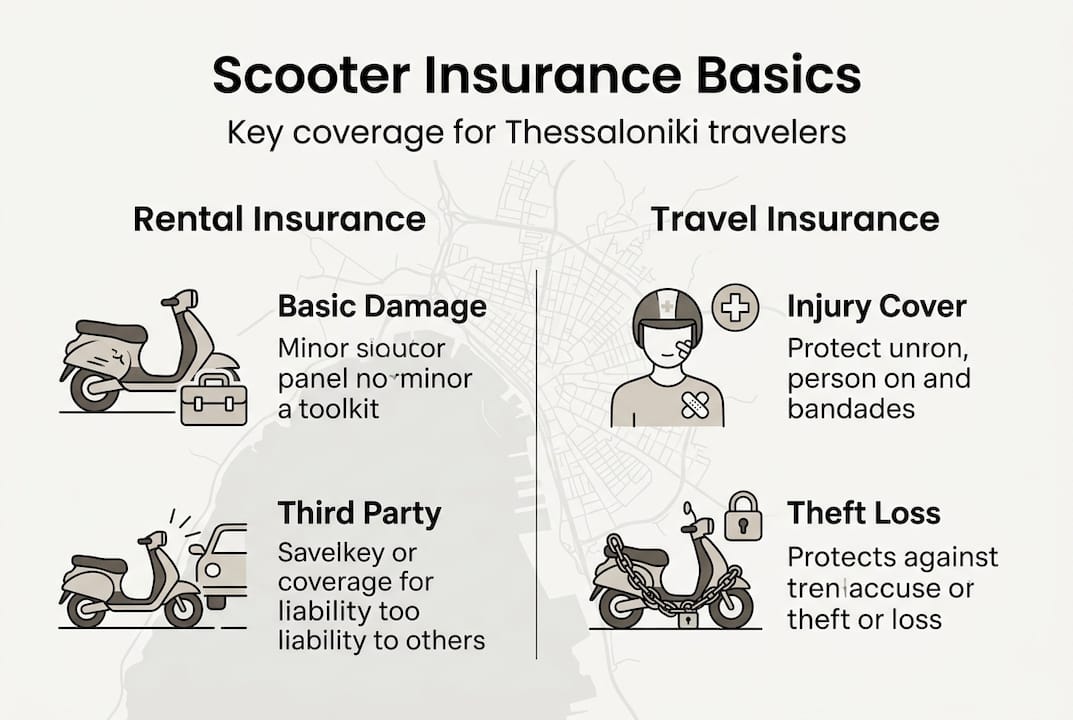
Here's the part most travelers miss. Many travel policies exclude motorized bikes, quads, and ATVs from coverage entirely. That means if you assumed your standard travel policy had you covered, you could be paying hospital bills out of pocket. Always read the fine print before you leave home.
| Coverage type | What it covers | Common exclusions |
|---|---|---|
| Rental insurance | Vehicle damage, third-party liability | Off-road riding, DUI, unlicensed riders |
| Travel insurance | Medical costs, evacuation, trip interruption | Motorized bikes, extreme sports, alcohol-related incidents |
| Personal health insurance | General medical treatment | Emergency evacuation, overseas specialists |
A few things travelers consistently overlook:
- Excess fees: Even with rental insurance, you may owe a deductible (called an excess) if the scooter is damaged.
- Helmet clauses: Some policies void coverage if you weren't wearing a helmet at the time of the accident.
- Unlisted drivers: If someone else rides the scooter and they aren't listed on the rental agreement, coverage may be void.
- Geographical limits: Some travel policies only cover you within certain zones or road types.
"Rental insurance covers the vehicle and third parties; personal travel insurance handles injuries and evacuation. But many travel policies exclude motorized bikes entirely, leaving tourists exposed."
Before you book, check your rental company guide to understand what's included in the rental agreement and what you'll need to arrange separately. Knowing this before you arrive saves you from scrambling at the counter.
Essential requirements: Licenses, age limits, and rental terms
Having clarified coverage options, it's time to check whether you're eligible to rent and ride a scooter in Greece.
Greece has specific rules about who can legally rent and operate a scooter, and they're stricter than many travelers expect. Tourists need a valid license held for at least one to two years. Non-EU citizens must carry an International Driving Permit (IDP) alongside their national license. The minimum age is typically 23, and most agencies cap rentals at around 70 to 72 years old.
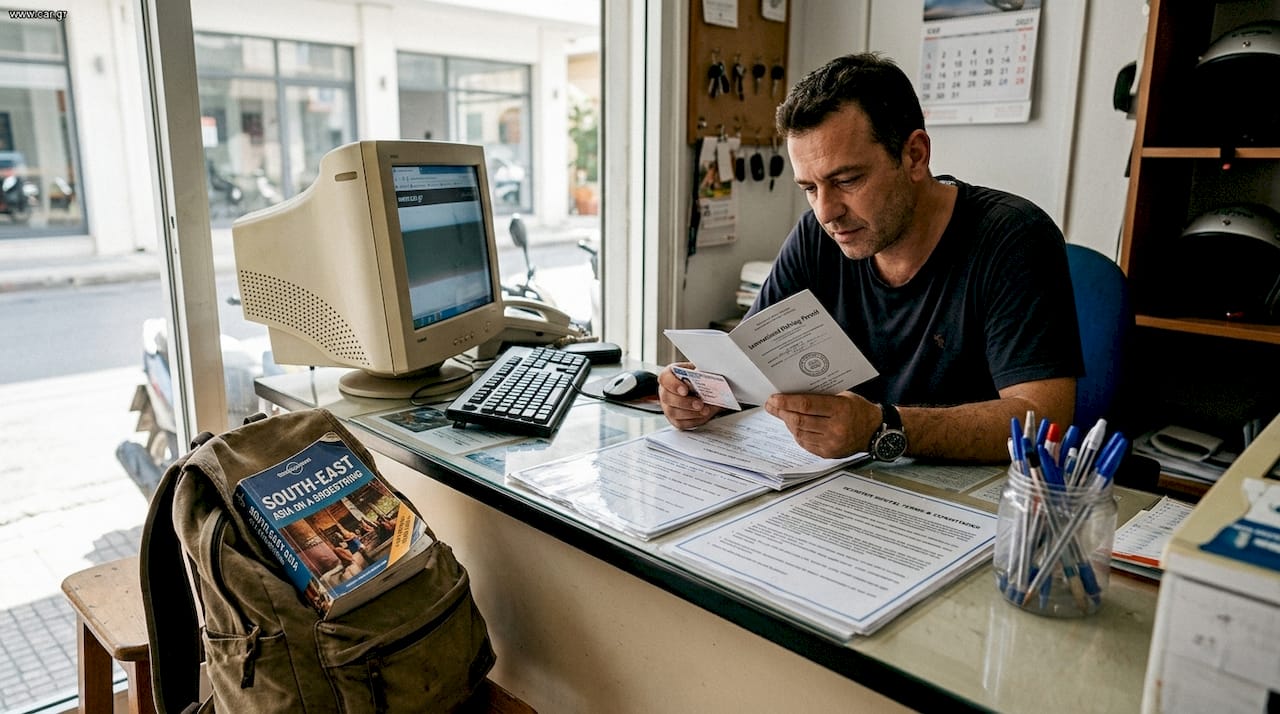
Here's a quick breakdown of license requirements by scooter class:
| Engine size | License required | IDP needed (non-EU) |
|---|---|---|
| Up to 50cc | Category AM or equivalent | Yes |
| 51cc to 125cc | Category A1 | Yes |
| 126cc and above | Full Category A | Yes |
Follow these steps before you arrive to make sure you're ready:
- Confirm your license class covers the scooter size you want to rent.
- Apply for an IDP through your country's automobile association if you're a non-EU citizen. Allow at least two weeks.
- Check that your license has been valid for the minimum required period.
- Bring both your original license and your IDP to the rental counter.
- Carry both documents with you every time you ride.
Pro Tip: For most urban riding in Thessaloniki and coastal routes in Halkidiki, a 125cc scooter hits the sweet spot. It's powerful enough for longer stretches but doesn't require a full motorcycle license in most cases. Check your daily scooter rental steps to see what's available and what documents to bring.
Age and license checks aren't just formalities. If you ride without meeting these requirements and have an accident, your insurance coverage is almost certainly void. Don't risk it.
Step-by-step: How to choose insurance and book your scooter
Once you know you're eligible to rent, follow these steps to secure the right coverage and get riding.
Accident risk for scooter users in Greece is genuinely high due to road conditions, and many incidents involve tourists who weren't fully prepared. The good news is that a clear process makes all the difference.
Here's how to approach it:
- Review your existing travel policy. Call your insurer and ask specifically whether motorized two-wheelers are covered. Get the answer in writing.
- Buy a supplemental policy if needed. If your current policy excludes scooters, purchase a separate policy that explicitly covers them.
- Compare rental agencies. Look for agencies that offer clear, written insurance documentation and explain what the rental coverage includes.
- Read the rental agreement before signing. Pay attention to the excess amount, covered road types, and driver restrictions.
- Photograph the scooter before you ride. Document every scratch and dent at pickup so you're not blamed for pre-existing damage.
- Confirm your insurance certificate. Ask for a copy of the rental insurance certificate and keep it on your phone.
Documents to have ready at pickup:
- Valid driver's license (original)
- International Driving Permit (if applicable)
- Passport or national ID
- Proof of travel insurance (policy number and emergency contact)
- Credit card for the security deposit
Pro Tip: Ask the rental agency what happens if you're in an accident and need roadside assistance after hours. Reputable agencies offer 24/7 support. If they can't answer that question clearly, that's a red flag. Use a find a reputable rental resource to shortlist agencies before you travel, and review the detailed booking guide for a complete checklist.
Staying safe: Avoiding common insurance and riding mistakes
With your booking and documents in place, smart travelers focus on safe, mistake-free driving and being ready in case trouble strikes.
Accidents are frequent on Greek roads due to poor maintenance, and tourists are disproportionately affected. Wearing a helmet, avoiding night riding, and choosing reputable agencies are non-negotiable starting points. But there's more to staying protected than just riding carefully.
Things that commonly void insurance coverage:
- Riding under the influence of alcohol or medication
- Riding off designated roads or on unpaved tracks
- Allowing an unlisted person to ride the scooter
- Riding without a helmet (illegal in Greece and a policy exclusion)
- Failing to report an accident to the rental agency within the required time window
Greek roads present specific hazards worth knowing. Potholes are common, especially on rural Halkidiki routes. Loose gravel appears around corners near coastal areas. Summer traffic in tourist zones gets dense and unpredictable. Rain makes road markings slippery fast.
"Tourists should wear helmets at all times, avoid riding after dark or on unpaved roads, and always choose a rental agency with a clear safety record and insurance documentation."
If an accident does happen, your actions in the first 30 minutes matter enormously for your claim:
- Don't move the scooter until you've photographed the scene.
- Call the rental agency immediately and follow their instructions.
- Get a police report if there's any injury or third-party damage involved.
- Notify your travel insurer the same day.
- Collect contact details from any witnesses.
For local riding advice specific to Thessaloniki and Halkidiki, including the best routes and road conditions by season, check the resources available before you head out. And always review the riding safety guidelines from trusted sources before your trip.
Our perspective: Why most tourists underestimate scooter risks
Most travel guides tell you to "get insurance" and move on. That's not enough. From our experience working with tourists renting scooters across Greece, the biggest problem isn't that people skip insurance. It's that they assume the default coverage is sufficient without actually reading what it says.
Tourists skim rental agreements at the counter, nod along, and sign. Then an incident happens and they discover the excess is 800 euros, or that their travel policy excluded two-wheelers in the fine print on page 14. Frequent incidents with tourists on scooters and quads in Greece are well documented, and the claims process is rarely straightforward.
Seasoned travelers treat insurance verification like packing their passport. It's not optional, it's not a formality, it's the foundation of a safe trip. Always ask for exclusions in writing, always confirm helmet compliance voids no coverage, and always use a rental company best practices checklist before you commit. The riders who have the best experiences are the ones who prepared the most, not the ones who got lucky.
Rent smarter and safer with MotoRent's trusted options
If you want more peace of mind and a streamlined experience, choose a company that puts your safety and coverage first.
At MotoRent, we've built our service around exactly the concerns this guide covers. Every rental comes with clear insurance documentation, a well-maintained scooter, and 24/7 support if something goes wrong on the road.

We walk you through the insurance options in plain language, help you understand what's included, and make sure you leave the counter with everything you need. No surprises. Whether you're exploring Thessaloniki's waterfront or heading down to Halkidiki for a few days, browse the best scooter rental options and book your scooter online in minutes. Your adventure starts with the right preparation.
Frequently asked questions
Do I need travel insurance for renting a scooter in Greece?
Yes, travel insurance is strongly recommended because accidents are common and local health services can be limited or overcrowded during peak tourist season. It's one of the most important things to arrange before you travel.
Will travel insurance always cover scooter accidents?
No. Many policies exclude motorized two-wheelers, quads, and ATVs, so you must verify coverage details with your insurer before you rent. Never assume you're covered without checking.
What type of driving license do I need to rent a scooter in Thessaloniki or Halkidiki?
You need a valid license held for at least one to two years. Non-EU tourists require an International Driving Permit alongside their national license, and the minimum rental age is typically 23.
What should I do right after a scooter accident abroad?
Immediately photograph the scene, contact the rental agency, and file a police report if there are injuries or third-party damage. Fast action after an accident is essential to keep your insurance claim valid and avoid disputes.
Recommended
- Daily scooter & motorcycle rental guide: Thessaloniki 2026
- Scooter Rental Thessaloniki-Motorbike Rentals Thessaloniki | Motorcycle Rentals Thessaloniki
- Scooter Rental Thessaloniki | Motorbike Rental Thessaloniki | MotoRent Thessaloniki | MotoRent
- Motorbike exploration in Thessaloniki & Halkidiki: top benefits