
Vacation and short-term rentals are one of the most practical tools in sustainable tourism today. They reduce the need for new hotel construction, keep tourist spending inside local neighborhoods, and give guests the infrastructure to cut their own waste. Travelers increasingly book nights at properties with third-party sustainability certifications; in 2025, there were 100 million such nights booked at 28,000 certified properties on Booking.com, demonstrating a real shift in how people choose where to stay. The role of rentals in sustainable travel goes well beyond a marketing label. Here is what that looks like in practice:
- Rentals use existing buildings, avoiding the carbon cost of new hotel construction
- Fully equipped kitchens let guests cook meals and skip single-use takeout packaging
- Local spending patterns shift when guests stay in residential neighborhoods rather than hotel districts
- Eco-certifications from programs like Ecobnb and Green Pearls give travelers a verified way to choose responsibly
- Dispersing guests across a city reduces pressure on overloaded tourist infrastructure
How energy and resource efficiency work in rental properties
Energy use is where rentals can make the most measurable difference. Eco-certified properties on the Ecobnb network save an average of 8 kg of CO2 and 302 liters of water per day per accommodation compared to conventional stays. That adds up fast across a network of properties.
The most common upgrades property owners make fall into three categories:
- Appliances and lighting: ENERGY STAR-rated appliances and LED lighting cut electricity consumption without requiring structural changes
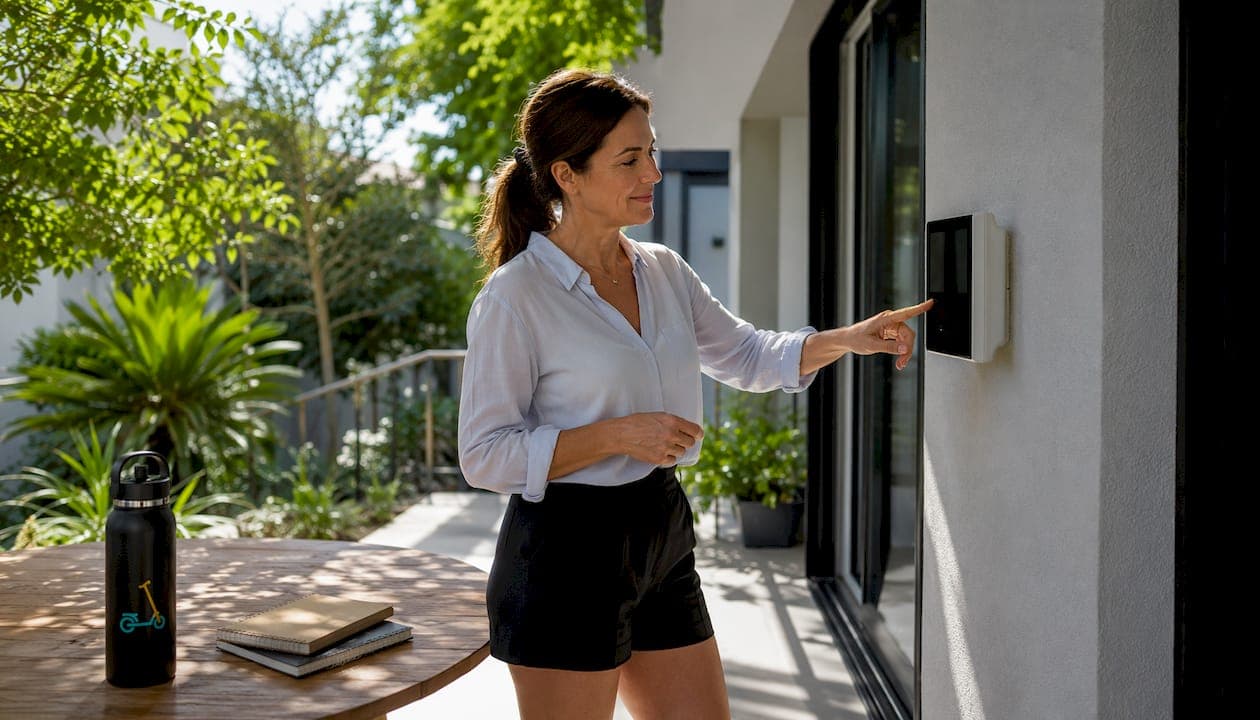
- Smart thermostats: Devices like Nest or Ecobee let owners set schedules that prevent heating or cooling empty rooms between guest stays
- Water fixtures: Low-flow showerheads, faucet aerators, and low-flow toilets reduce water use by a measurable amount per fixture without affecting guest comfort
- Renewable energy: Solar panels or participation in a utility green tariff program shifts the property off fossil-fuel-dependent grid power
Pro Tip: Install a smart meter that guests can actually see. Visible real-time energy data consistently nudges people to turn off lights and lower the thermostat when they leave a room.
Properties using water reducers, renewable energy, and energy-efficient lighting significantly lower their carbon footprints relative to standard rentals. The upfront cost of these upgrades is real, but most owners recover it through lower utility bills within a few years.
What good waste management looks like in a rental
Waste reduction in rentals starts with the kitchen. Vacation rentals with full cooking facilities let guests reduce waste by preparing meals and avoiding the single-use plastics that come with takeout and restaurant dining. That one feature alone separates a well-run rental from a hotel room in terms of daily waste output.
Beyond the kitchen, property owners can build waste-conscious habits into the guest experience:
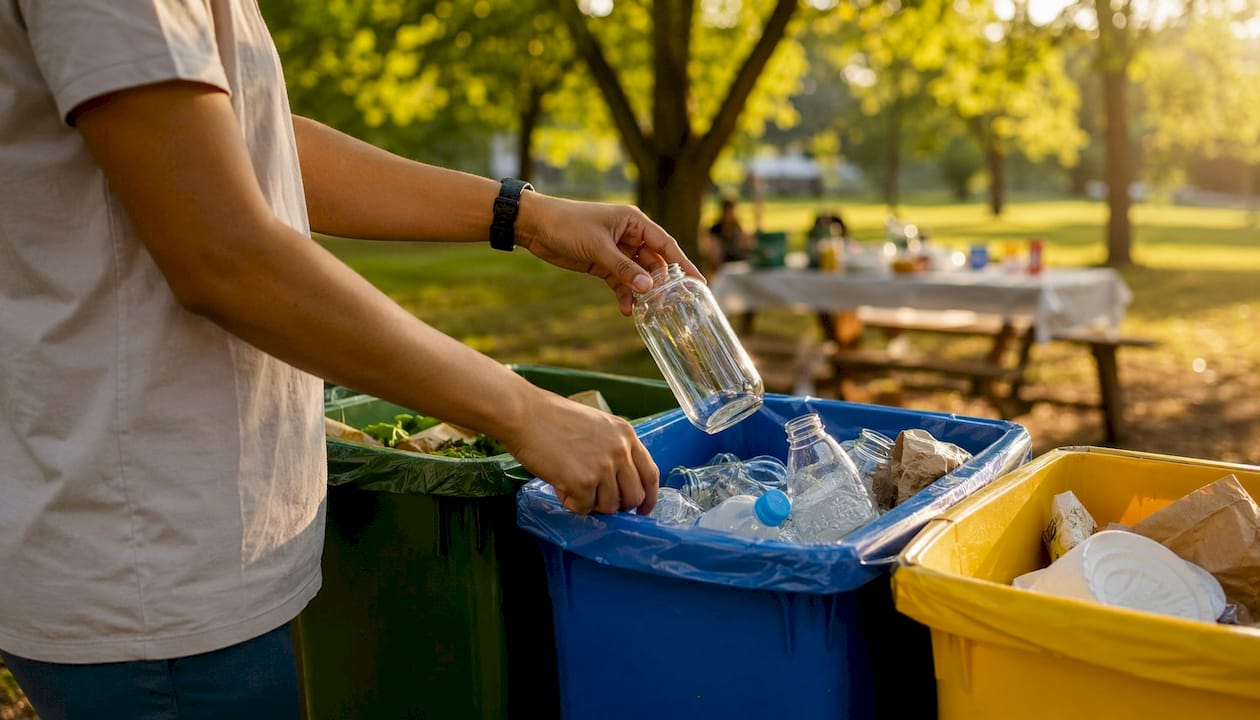
- Recycling stations: Clearly labeled bins for glass, plastic, paper, and compost remove the guesswork for guests who want to sort correctly
- Composting: A small outdoor compost bin for food scraps is low-cost and easy to maintain, especially for properties with a garden
- Eliminating single-use plastics: Replace disposable toiletry bottles with refillable dispensers, and swap plastic wrap and bags in the kitchen for reusable alternatives
- Eco-friendly cleaning products: Biodegradable, non-toxic cleaners protect local waterways and are safer for guests with sensitivities
- Bulk supplies: Providing bulk coffee, soap, and pantry staples reduces packaging waste compared to individually wrapped portions
The operational side matters too. Owners who schedule cleaning only between stays rather than daily reduce water use, chemical exposure, and energy consumption from laundry. Offering guests the option to reuse towels and linens for multi-night stays is a small ask with a real cumulative effect.
How sustainable landscaping and local sourcing strengthen a rental's impact
The physical design of a rental property sends a signal about its values before a guest even walks through the door. Properties that use native plants in their landscaping require far less water and chemical treatment than conventional lawns, and they support local pollinators and wildlife. The U.S. Forest Service identifies invasive plant removal as one of the most effective steps a property owner can take to restore natural habitat on their land.
Inside the property, sourcing decor and furnishings from local artisans keeps money in the regional economy and avoids the emissions tied to long supply chains. Some of the most thoughtful sustainable rentals use materials like bamboo or reclaimed wood, which carry a much lower environmental cost than virgin timber or synthetic materials.
Guests staying in vacation rentals tend to shop locally more than hotel guests, supporting neighborhood businesses and strengthening the local economy. Property owners can amplify that effect by:
- Partnering with nearby farms or markets to stock the kitchen with local produce on arrival
- Leaving a curated guide to independent restaurants, shops, and artisan producers in the area
- Sourcing cleaning and maintenance services from local providers rather than national chains
- Displaying locally made art or crafts, with information about the makers
This kind of community integration turns a rental stay into something that genuinely benefits the place, not just the guest.
How rentals can promote greener transportation and involve guests in sustainability
Where a rental sits geographically shapes how guests get around. Properties in residential neighborhoods, rather than tourist-saturated hotel districts, naturally push guests toward public transit, cycling, and walking. That shift away from rental cars and taxis has a real effect on a trip's carbon footprint.
Owners can go further by making sustainable transport the easy choice:
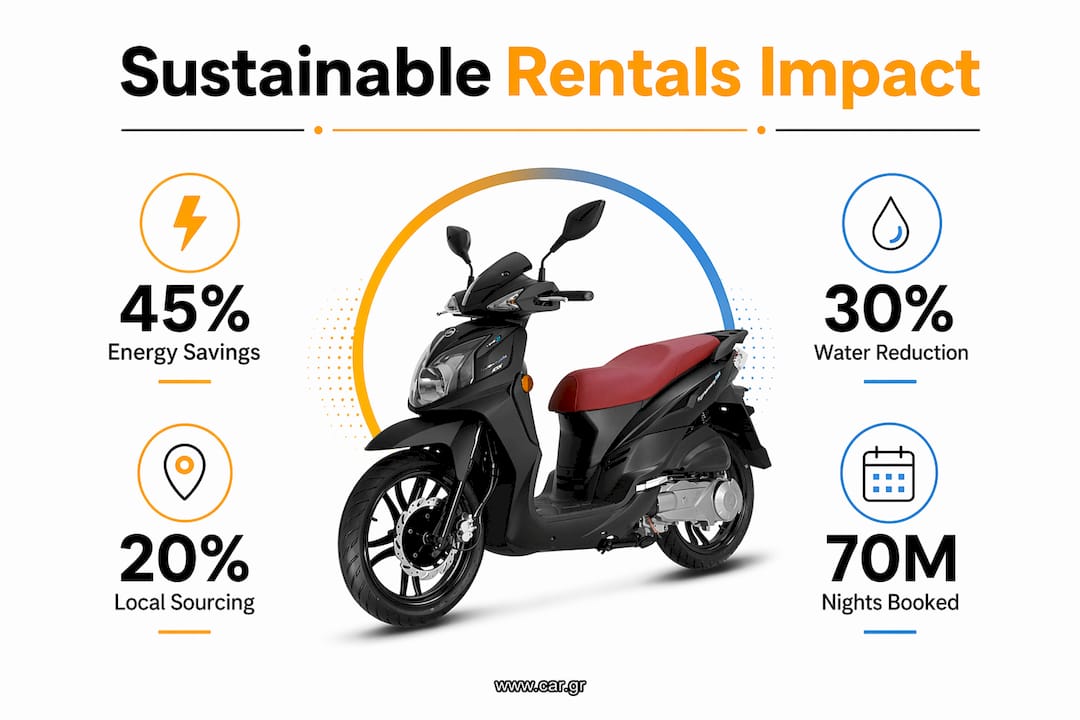
- Provide bikes or point guests toward local eco-friendly transport options like scooter rentals, which are especially practical for urban exploration
- Share transit maps, bus and metro schedules, and walking routes in the welcome guide
- Install an EV charging outlet if the property has parking
- Stock reusable shopping bags, water bottles, and travel mugs for guests to use during their stay
Guest education is just as important as the physical amenities. A one-page welcome note explaining the property's sustainability features, how to sort recycling, and which local businesses to support takes about ten minutes to write and shapes the entire stay. Green Pearls, a network of certified sustainable properties, advocates direct booking with sustainable hosts as a way to keep economic flows transparent and fair, cutting out intermediary fees that dilute the benefit to local communities.
Short-term rentals in less-touristy neighborhoods also help distribute visitor impact across a city rather than concentrating it in a few overloaded blocks. The EU Joint Research Centre found that short-term rentals can revitalize less-touristy neighborhoods while also creating pressure on residential services, which means responsible management is the deciding factor between a positive and a negative outcome.

Pro Tip: Add a QR code in the welcome guide that links to a local sustainability map showing farmers markets, bike-share stations, and zero-waste shops nearby. Guests who know where to go are far more likely to make the greener choice.
Research-backed benefits of sustainable rentals for owners and communities
The business case for sustainable rentals is getting harder to ignore. Booking.com reported strong growth in the number of certified properties with eco-certified listings increasing significantly, reflecting genuine traveler demand rather than a passing trend.
In 2025, 100 million nights were booked at properties with third-party sustainability certifications, with Booking.com reporting 28,000 certified listings and a 22% year-over-year growth in certified properties. The environmental savings from certified programs are concrete. Ecobnb properties save 8 kg of CO2 and 302 liters of water daily per accommodation, as noted earlier. Certifications like Ecobnb and Green Pearls give travelers a verified signal and give owners a credibility advantage in a crowded market.
Using existing homes for rentals avoids large-scale hotel construction and preserves the character of local communities. The sharing economy model behind short-term rentals maximizes the utility of existing infrastructure and reduces the need for new construction, though it requires careful management to avoid overtourism. Research on host behavior shows that entrepreneurial attitudes and active engagement in the hosting role predict adoption of eco-friendly practices more reliably than abstract environmental concern alone. Hosts who see themselves as active participants in their community's tourism economy tend to invest in sustainability upgrades and guest education.
The Milken Institute's analysis of short-term rentals in California found they are critical to regional economies, generating tax revenue and providing income for hosts while expanding accommodation capacity in areas where hotel development is constrained. When managed responsibly, the impact of rentals on tourism spreads economic benefit across neighborhoods rather than concentrating it in hotel corridors.
For a closer look at how rental policies can be structured to support sustainability goals, property owners will find practical frameworks that apply directly to short-term and vacation rental operations.

Exploring a destination sustainably often comes down to how you move through it. Motorent's fleet of well-maintained scooters gives travelers in Thessaloniki and Halkidiki a low-footprint way to cover ground, skip traffic, and reach neighborhoods that tour buses never touch. Browse scooter rental options and find the right fit for your trip.
Key Takeaways
Rentals reduce environmental impact, support local economies, and spread tourism benefits more equitably than conventional hotel stays when owners commit to verified sustainable practices.
| Point | Details |
|---|---|
| Certified properties are growing fast | In 2025, 100 million nights were booked at over 28,000 eco-certified properties on Booking.com, which saw a 22% year-over-year growth in certified listings, reflecting genuine traveler demand. |
| Daily savings are measurable | Ecobnb properties save 8 kg of CO2 and 302 liters of water per day per accommodation versus conventional stays. |
| Kitchens cut waste directly | Rentals with full cooking facilities let guests avoid single-use packaging from takeout dining. |
| Local sourcing multiplies impact | Guests in rentals shop locally more than hotel guests, strengthening neighborhood economies. |
| Host mindset drives adoption | Hosts who engage actively in their community are more likely to invest in eco-friendly upgrades. |
FAQ
What makes a vacation rental sustainable?
A sustainable vacation rental uses energy-efficient appliances, water-saving fixtures, eco-friendly cleaning products, and waste-reduction systems like recycling and composting. Certifications from programs like Ecobnb or Green Pearls verify these practices independently.
How do rentals reduce carbon emissions compared to hotels?
Eco-certified rentals on the Ecobnb network save an average of 8 kg of CO2 per day per accommodation relative to conventional stays, primarily through renewable energy, efficient appliances, and reduced construction demand.
How can guests support sustainable travel when booking a rental?
Choose properties with third-party eco-certifications, book directly with the host when possible to keep economic flows transparent, use local transport options like bikes or scooters, and follow the property's recycling and energy-saving guidelines.
Do sustainable rentals cost more to book?
Not necessarily. Eco-certified properties span a wide price range, and the 100 million nights booked at certified properties in 2025 show that travelers at many budget levels are choosing them.
What role do property owners play in sustainable tourism?
Owners who actively engage in their local community and treat hosting as a participatory role tend to adopt more eco-friendly practices. Structural upgrades like LED lighting, smart thermostats, and native landscaping reduce operating costs while improving a property's sustainability credentials.