
TL;DR:
- Motorbike trips in Thessaloniki and Halkidiki offer scenic routes and unique local experiences.
- Riders should understand road conditions, hazards, and cultural etiquette for safety and enjoyment.
- Flexibility and taking time to stop reveal Greece’s hidden gems beyond typical tourist spots.
Planning a motorbike trip through Thessaloniki and Halkidiki is one of the most exciting ways to explore northern Greece, but it can feel overwhelming when you're new to the region. Unfamiliar roads, unpredictable traffic, and a long list of must-see spots can make even experienced riders second-guess their plans. This guide cuts through the noise. You'll get practical, locally informed tips on route selection, road hazards, gear packing, and riding etiquette. Whether you're cruising the Kassandra peninsula or winding through Sithonia's coastal roads, these insights will help you ride smarter, stay safer, and squeeze every drop of adventure out of your Greek journey.
Table of Contents
- Know your routes: Selecting the best riding experiences
- Understand road conditions and local hazards
- Pack smart: Gear and equipment for Greek adventures
- Riding etiquette and maximizing your local experience
- The truth about Greek motorbike adventures: What most guides miss
- Start your Thessaloniki motorbike adventure with MotoRent
- Frequently asked questions
Key Takeaways
| Point | Details |
|---|---|
| Choose your ideal route | Pick from scenic loops and highlight spots based on your riding skill and interests. |
| Prep for local road conditions | Be ready for surface changes, traffic quirks, and weather impacts, especially on rural and coastal roads. |
| Pack the right gear | Take safety essentials, sun/rain protection, and a lock for peace of mind during your trip. |
| Ride like a local | Follow Greek etiquette, use locks, and connect with residents for truly memorable adventures. |
Know your routes: Selecting the best riding experiences
Now that you know what's ahead, start your adventure by choosing the routes that suit your experience and travel wish list. Halkidiki's three peninsulas each offer a different flavor, and understanding what each delivers helps you plan a trip that matches your riding style and schedule.
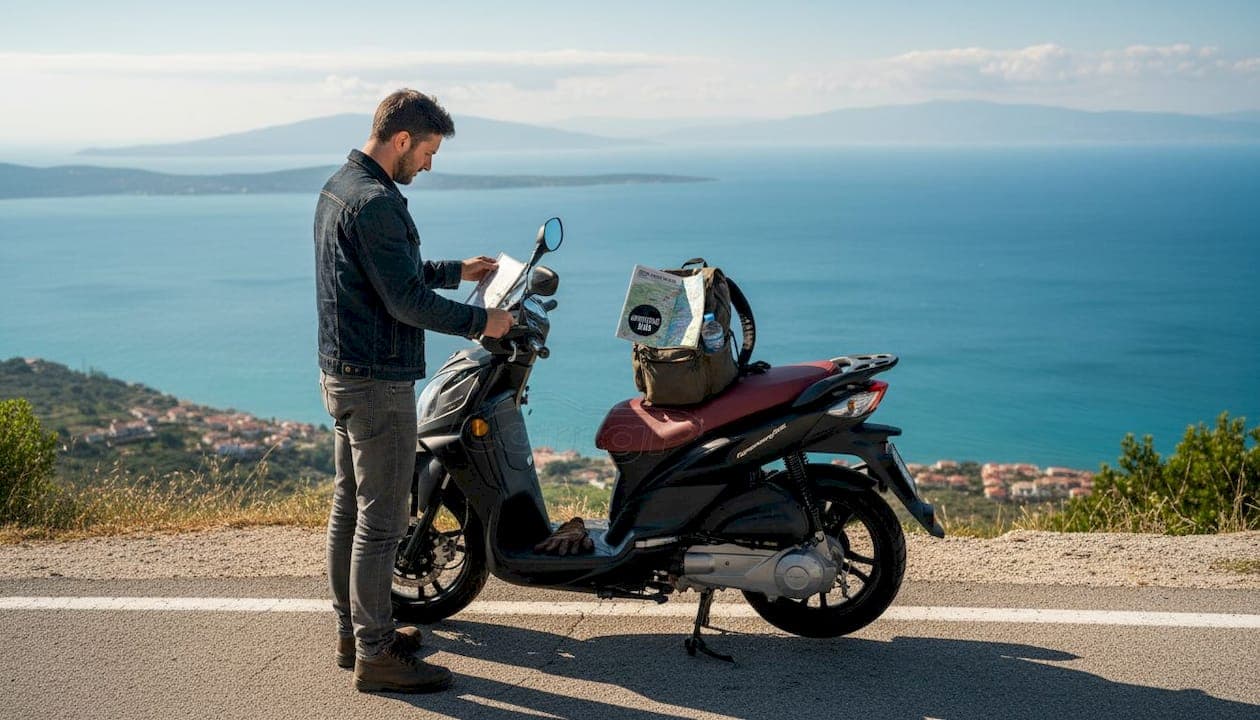
Kassandra is the most accessible peninsula and the liveliest. It's ideal for riders who want a mix of beach stops, nightlife towns like Sani and Possidi, and smooth coastal roads. Sithonia sits in the middle and is widely considered the most scenic. Its coastal loop for beaches rewards riders with crystal-clear water, forested hillsides, and far fewer crowds than Kassandra. The Athos area, the third peninsula, has restricted access for most visitors, but the roads leading toward it offer dramatic views and a quieter atmosphere. Beyond Halkidiki, combining your ride with a detour to Mount Olympus or a stop at Petralona Cave adds serious depth to any itinerary.
The motorbike exploration benefits in this region are real: you can access narrow coastal tracks and hilltop villages that buses and cars simply can't reach efficiently. Understanding why choose a motorbike over other transport options helps you get the most from every kilometer.
Must-see stops by route:
- Kassandra: Possidi lighthouse, Sani resort area, Kallithea beach
- Sithonia: Kavourotrypes beach, Porto Koufo harbor, Toroni ruins
- Athos approach: Ouranoupoli village, Stageira (birthplace of Aristotle)
- Mount Olympus detour: Litochoro town, Enipeas gorge trailhead
- Petralona Cave: One of Europe's most significant prehistoric sites
| Route | Approx. distance | Road quality | Top highlight |
|---|---|---|---|
| Kassandra loop | 120 km | Excellent | Sani beach and nightlife |
| Sithonia loop | 150 km | Good to excellent | Kavourotrypes coves |
| Athos approach | 80 km one way | Good | Ouranoupoli views |
| Mount Olympus | 100 km from Thessaloniki | Excellent | Litochoro and gorge |
Pro Tip: Break up longer rides at small coastal villages like Porto Koufo or Vourvourou. These spots offer cheap local food, shade, and some of the best photo opportunities in the region.
Understand road conditions and local hazards
Once you've mapped your route, it's time to get smart about the conditions you'll encounter and how to ride defensively. Roads in Thessaloniki and Halkidiki vary dramatically depending on where you are.
Touring routes have smooth asphalt on the main peninsulas, but rural tracks and some inland shortcuts carry potholes, loose gravel, and narrow stretches that demand full attention. Urban Thessaloniki is a different challenge entirely. The city has dense traffic and tight lanes, and if you've never ridden in a busy Mediterranean city, practicing first in calmer Halkidiki towns is genuinely smart advice.
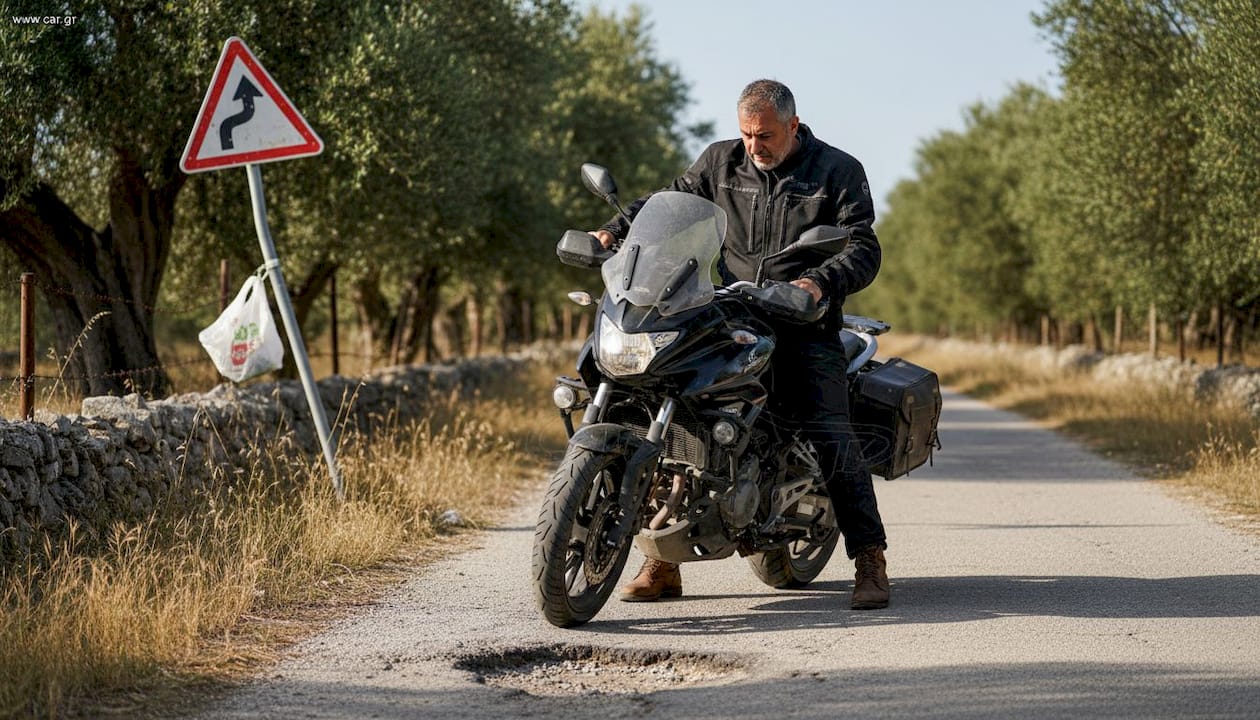
Coastal roads present their own set of risks. After summer rain, gravel washes across the asphalt near hillside bends. Tourist traffic peaks in July and August, which means more rental cars, camper vans, and distracted drivers sharing narrow roads with you. Theft is relatively low in the region, but using a good lock is always worth the small effort.
Check out essential scooter gear before you ride to make sure you're protected for every surface type.
Top 5 road hazards to watch for:
- Potholes on rural roads especially after rainfall or in less-traveled inland areas
- Loose gravel on bends near hillside coastal stretches
- Narrow village streets where two vehicles can barely pass each other
- Aggressive overtaking by local drivers, particularly on two-lane coastal highways
- Pedestrians at night near beach bars and resort areas
| Road type | Key risks | How to handle it |
|---|---|---|
| Urban Thessaloniki | Heavy traffic, scooters weaving | Ride defensively, use mirrors constantly |
| Coastal highway | Fast traffic, gravel after rain | Maintain safe following distance |
| Rural inland | Potholes, no markings | Slow down, scan ahead |
| Village streets | Narrow lanes, pedestrians | Walk pace through tight spots |
Pack smart: Gear and equipment for Greek adventures
Equipped with knowledge of the roads, you're ready to pack efficiently for a safe and easy journey. What you bring on a Greek motorbike trip can make the difference between a great day and a miserable one.
A well-fitted helmet is non-negotiable. Greek law requires it, and the winding coastal roads make it genuinely life-saving gear. A light textile riding jacket with armor at the elbows and shoulders protects you without overheating in summer temperatures. Gloves matter more than most new riders expect. They protect your palms in a slide and reduce hand fatigue on longer rides. Closed-toe shoes or ankle-supporting boots are far safer than sandals, which many tourists wear despite the risks.
Beyond riding gear, a portable disc lock or chain lock keeps your scooter secure when you stop at beaches and villages. A waterproof dry bag protects your phone, documents, and a change of clothes from sudden showers. A phone mount on the handlebars turns your device into a GPS without the distraction of holding it. Watch for scooters overtaking and pedestrians at night, especially near busy resort areas where visibility drops fast.
For more details on what to bring, the essential gear for travel guide covers everything you need in one place.
Top 7 must-bring items:
- Full-face or open-face helmet (properly certified)
- Textile riding jacket with elbow and shoulder armor
- Riding gloves (mesh for summer heat)
- Ankle-supporting footwear
- Portable disc lock or chain
- Waterproof dry bag or backpack
- High-SPF sunscreen and a 1-liter water bottle
Pro Tip: Pack a lightweight reflective vest in your bag. It weighs almost nothing, costs very little, and makes you dramatically more visible to other drivers during dusk rides or when returning from a late beach dinner.
Riding etiquette and maximizing your local experience
Packing done, let's shift to on-the-road habits that help you blend in, stay safe, and enjoy authentic local flavor. Greek riding culture has its own rhythm, and adapting to it quickly makes your trip smoother.
Right-of-way rules are generally followed on main roads, but in smaller villages and beach parking areas, informal customs take over. Locals often use a short horn tap as a friendly heads-up when passing on narrow roads, not as aggression. Matching that tone keeps interactions positive. When parking near beaches or village squares, avoid blocking pedestrian paths or doorways. Even in popular tourist spots, locals notice and appreciate considerate parking.
"Even in low-theft areas like Halkidiki, using a solid lock and not leaving valuables on your bike is essential."
This matters especially at busy beach stops where crowds create cover for opportunistic theft. Theft is low compared to many European destinations, but a basic lock removes the risk entirely. Leave bags, cameras, and passports locked in your accommodation whenever possible.
Knowing how to rent a scooter and understanding scooter insurance tips before you pick up your bike gives you confidence from day one.
5 etiquette rules for safe, friendly rides:
- Use a short horn tap on blind bends in villages, not aggressive honking
- Pass only when the road ahead is clearly visible and safe
- Park away from doorways, ramps, and pedestrian paths
- Slow to walking pace through narrow village streets
- Acknowledge other riders with a nod or wave, it's a universal language
The truth about Greek motorbike adventures: What most guides miss
After mastering the essentials, consider these deeper lessons only frequent adventurers share. Most first-timers make the same mistake: they plan too much and leave no room for the ride to breathe.
Greece rewards flexibility in a way that few destinations do. The best moments rarely appear on any top-ten list. A fisherman who waves you into his harbor for a coffee. A dirt track that opens onto a private-looking beach with no one else in sight. A village bakery that isn't on any map but sells the best cheese pie you've ever eaten. None of that is schedulable.
The uncomfortable truth is that many riders rush through Halkidiki trying to tick every beach, and they end up exhausted with a camera full of photos that all look the same. Slowing down, even to half your planned pace, changes everything. Let the road conditions set your speed. If a stretch feels rough or the weather shifts, stop. Greece has enough good cafes and viewpoints per square kilometer to make any unplanned stop worthwhile.
Understanding motorcycle rental costs ahead of time also removes financial stress from the equation, so you can focus on the ride rather than the budget.
The riders who remember their Greek trips most vividly aren't the ones who covered the most ground. They're the ones who stopped the most.
Start your Thessaloniki motorbike adventure with MotoRent
Ready to turn these tips into your own Greek story? Here are the next steps.
At MotoRent, we've built our fleet and our service around exactly the kind of riding this guide describes. Well-maintained scooters and motorbikes, fully insured, available by the day or the month, with 24/7 support if anything comes up on the road.
Browse our scooter options to find the right bike for your route, whether that's a lightweight scooter for Kassandra's coastal roads or a sturdier motorbike for longer Sithonia loops. Our scooter rental guide walks you through everything from documents to insurance. When you're ready, rent a motorbike in Thessaloniki and start planning your route today.
Frequently asked questions
Is it safe to ride a motorbike in Halkidiki and Thessaloniki?
Yes, riding is generally safe on main routes. Stay alert for potholes and gravel on rural roads and take extra care on narrow coastal paths near villages.
What documents do I need to rent a scooter or motorbike?
You need a valid driver's license, an international driving permit if your license is not from an EU country, and a credit card for the rental deposit.
What is the best time of year for motorbike tours in this region?
Late spring (May to June) and early fall (September to October) offer comfortable temperatures, dry roads, and significantly fewer tourists than peak summer.
How do I avoid theft or damage to my scooter while traveling?
Always use a sturdy disc lock or chain, avoid leaving valuables on your bike, and park in well-lit areas. Theft is low in Halkidiki, but basic precautions eliminate the risk entirely.
What are the top scenic routes for first-time visitors?
The Sithonia coastal loop and Kassandra peninsula are ideal for beginners, with good road surfaces and plenty of stops. Adding a stretch near Mount Olympus rounds out a memorable first tour.
Recommended
- Motorbike exploration in Thessaloniki & Halkidiki: top benefits
- Why Choose a Motorbike in Thessaloniki & Halkidiki
- Essential gear for stress-free scooter travel in Thessaloniki
- Adventure scooter & motorbike rentals in Thessaloniki 2026
- Master your mountain bike tour with premium Alps transport • Blog • Go Transfer Peak