
TL;DR:
- Two-wheeled adventure riding is a mindset focused on exploration, self-reliance, and journey rather than specific equipment or destinations.
- Riders prefer safer, paved routes but use varied terrain and reliable used bikes suited to their experience level.
What is the definition of two-wheeled adventure riding?
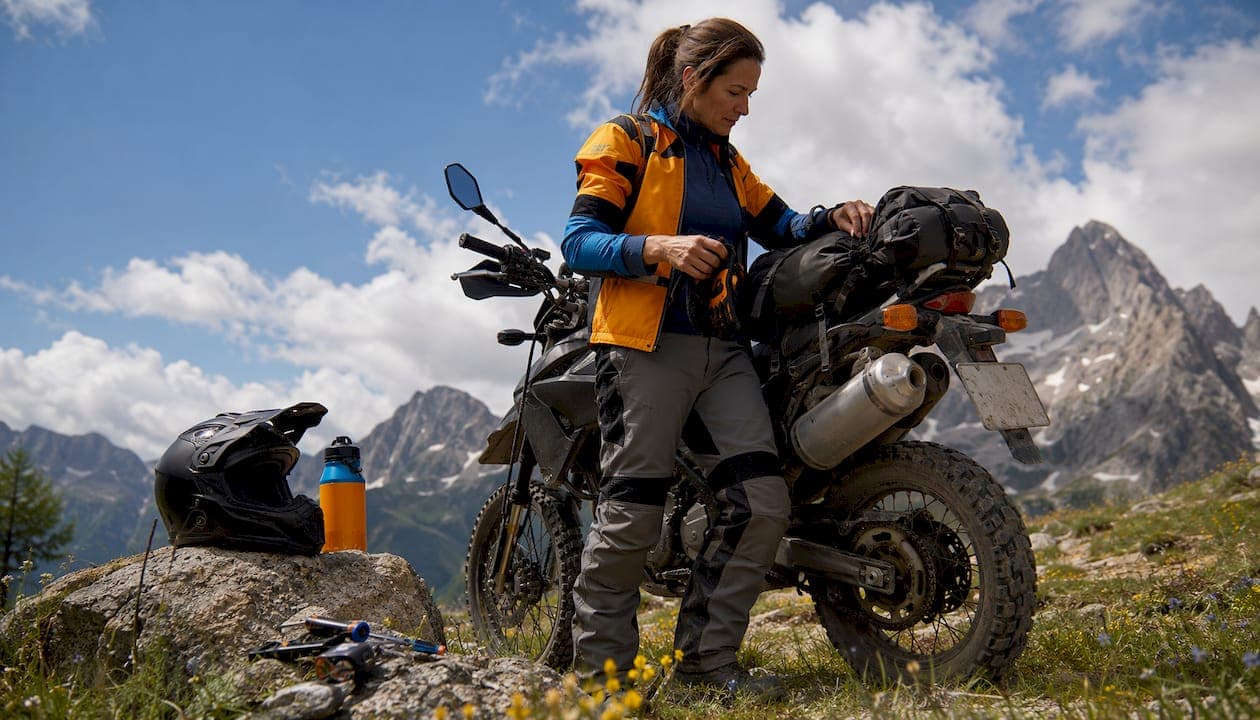
Two-wheeled adventure riding is a mindset before it is a method. At its core, ADV riding means venturing into the unknown on two wheels with self-reliance, curiosity, and a deliberate focus on the journey rather than the destination. You do not need a specific bike, a passport stamp, or a gnarly trail to qualify. You need the right attitude.
The core traits that define this style of riding:
- Exploration over efficiency: The route matters more than arrival time.
- Mixed-terrain travel: Paved roads, gravel tracks, and dirt paths all count.
- Self-reliance: Riders handle problems independently, from navigation to basic repairs.
- Discovery mindset: Detours are features, not failures.
- Scalability: A weekend overnight trip carries the same spirit as a year-long expedition.
Table of Contents
- Which motorcycles do adventure riders actually use?
- How do riders balance terrain preferences and safety?
- What mindset actually makes a ride an adventure?
- How Motorent brings two-wheeled adventure to Thessaloniki
- How did two-wheeled adventure riding evolve?
- Where do adventure riders go?
- What gear does an adventure rider need?
- What physical and mental challenges do riders face?
- What community exists around adventure riding?
- Key Takeaways
- FAQ
Which motorcycles do adventure riders actually use?
The bike is a tool, not a membership card. That said, two categories dominate adventure riding: Adventure (ADV) motorcycles and Dual-Sport (DS) motorcycles, and they are genuinely different machines.
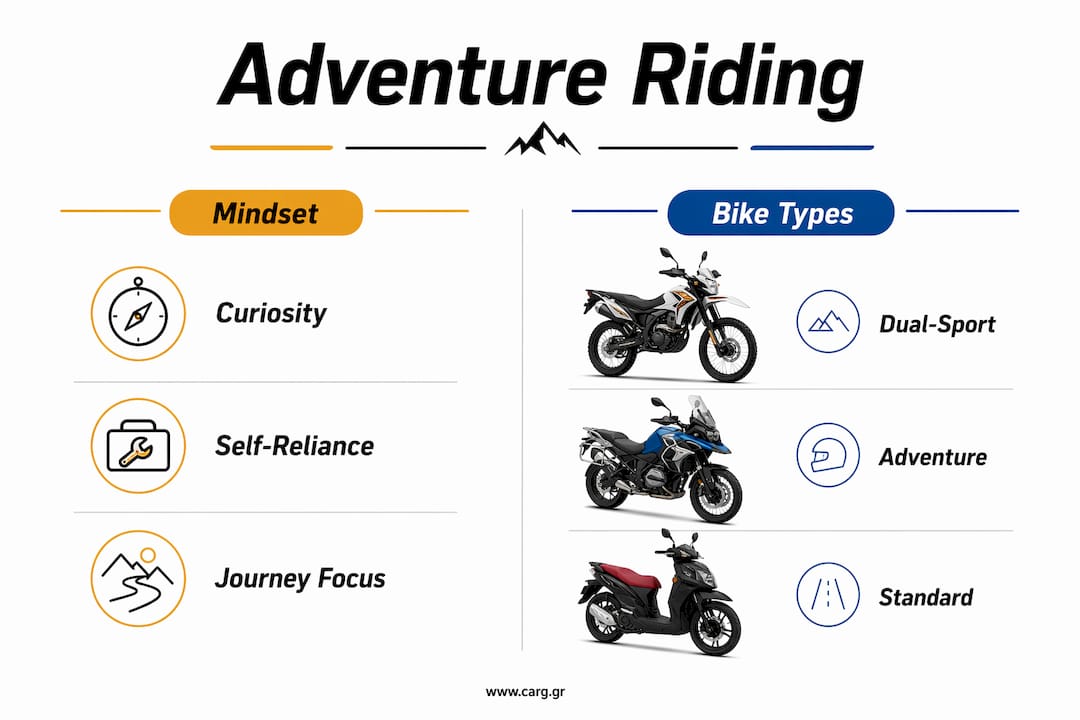
ADV bikes are road-rooted, built for long-distance comfort on mixed surfaces. They typically feature high ground clearance, large fuel tanks, and engines tuned for endurance over raw power. Think wire-spoked wheels, skid plates, and GPS mounts as standard equipment. DS bikes, by contrast, descend directly from dirt bikes. They are lighter, more agile off-road, and less comfortable on long highway stretches.
Key distinctions at a glance:
- ADV bikes: Better on pavement at speed, suited for multi-day tours with gear
- DS bikes: More capable on technical off-road terrain, easier to maneuver in tight spots
- Both categories: Handle mixed paved and unpaved terrain better than pure road bikes.
Experienced riders recommend starting with a reliable used motorcycle that fits your body and budget rather than buying a brand-new specialized machine.
How do riders balance terrain preferences and safety?
Adventure motorcycling sits firmly in the category of soft adventure tourism, balancing challenge with a genuine desire for safety and a carefree experience. The data backs this up clearly.
Stat to know: A 2022 academic study on motorcycle touring preferences found riders scored paved road preference at a mean of 2.20 versus gravel roads at 3.32, showing a strong lean toward safer, sealed surfaces even among self-described adventure riders.
This preference shapes how most riders plan routes. The adventure is in the exploration, not the risk. Most riders seek scenic, winding roads with light traffic rather than extreme technical terrain.
What mindset actually makes a ride an adventure?
The mental shift is the whole thing. ADV expert Rihards Grunte describes it well: adventure riding means looking at a map and seeing possibilities, not just roads. You stop optimizing for speed and start optimizing for discovery.
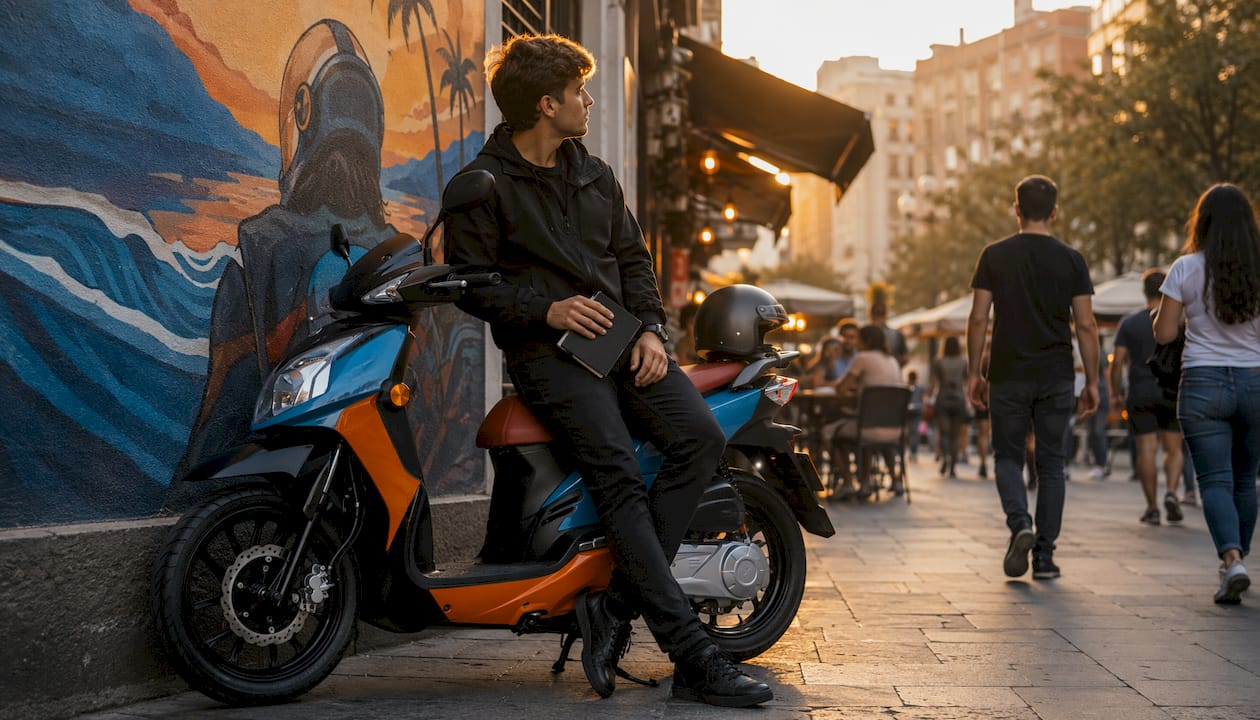
The defining transition, as long-haul riders describe it, is moving from arrival-focused thinking to journey-focused thinking. That shift changes every decision you make: pace, route, how you respond when something goes sideways. Self-sufficiency with basic mechanical skills reinforces this mindset, since knowing you can handle a flat tire or a wrong turn removes the anxiety that kills spontaneity.
Pro Tip: Build buffer time into every ride. An extra hour per day is what separates a stressful scramble from a genuine adventure, giving you room to follow an unmarked road or stop when something catches your eye.
How Motorent brings two-wheeled adventure to Thessaloniki
Motorent applies this adventure mindset directly to the roads of Thessaloniki and Halkidiki. The rental fleet covers everything from nimble scooters for urban exploration to motorbikes suited for coastal and mountain routes. Every rental comes fully insured, with 24/7 customer support so riders can focus on the road rather than logistics.
What sets Motorent apart for adventure travelers:
- Quality, well-maintained fleet ready for mixed terrain around Halkidiki's peninsulas
- Flexible daily and monthly rentals that match any trip length
- Planning resources via the Motorent blog, covering scooter adventure workflows and local route tips
- Local expertise on the best roads, hidden beaches, and scenic detours in the region
How did two-wheeled adventure riding evolve?
Adventure riding grew from long-distance motorcycle travel that predates modern highways. Early pioneers crossed continents on machines with minimal reliability, carrying tools and spare parts as a matter of survival. The Dakar Rally, which began in 1978, pushed manufacturers to build bikes capable of handling brutal mixed terrain, and models like the BMW R1200GS and KTM 990 Adventure brought those capabilities to everyday riders. By the 2000s, the ADV category had become one of the fastest-growing segments in motorcycling globally.
Where do adventure riders go?
The most popular destinations share a common trait: varied terrain within a single day's riding. Routes like the Trans-America Trail in the United States, the Balkans' coastal and mountain roads, and Nepal's Himalayan passes attract riders precisely because surfaces shift unpredictably between tarmac, packed dirt, and gravel. Greece's Halkidiki peninsula offers a compact version of this variety, with sealed coastal roads giving way to forest tracks within minutes.
What gear does an adventure rider need?
Gear priorities for two-wheeled adventure riding:
- Helmet: Full-face or adventure-style with visor for mixed conditions
- Jacket and pants: Abrasion-resistant with CE-rated armor at shoulders, elbows, and knees
- Boots: Over-the-ankle, ideally waterproof with sole grip for off-road walking
- Gloves: Reinforced palms, touchscreen-compatible fingertips
- Navigation: GPS unit or phone mount with offline maps loaded before departure
- Basic toolkit: Tire plugs, levers, a multi-tool, and a small pump
What physical and mental challenges do riders face?
Fatigue is the most underestimated challenge. Long days in the saddle load the lower back, shoulders, and wrists in ways that accumulate over days rather than hours. Mentally, decision fatigue sets in when navigation, weather, and route conditions all demand attention simultaneously. Riders who build in rest stops every 90 minutes and eat before they feel hungry manage both challenges far better than those who push through.
What community exists around adventure riding?
The adventure riding community is unusually open to newcomers. Events like Overland Expo draw tens of thousands of riders annually, mixing beginners with veterans in a format built around skills clinics and shared camp meals rather than competition. Online forums, group rides, and local clubs provide the same exchange of route knowledge and mechanical tips that the academic research on motorcycle tourism identifies as a core motivation for riders: being with like-minded people matters as much as the road itself.
Key Takeaways
Two-wheeled adventure riding is defined by a mindset of self-reliance and exploration, not by bike type, terrain difficulty, or trip length.
| Point | Details |
|---|---|
| Mindset over equipment | Adventure riding is defined by curiosity and self-reliance, not the specific motorcycle you ride. |
| Terrain preference leans safe | Riders in a 2022 study scored paved road preference at 2.20 versus 3.32 for gravel, showing a strong preference for safer, sealed surfaces. |
| ADV vs. DS distinction | ADV bikes suit long mixed-surface tours; DS bikes favor technical off-road riding. |
| Journey over destination | Building buffer time into routes is the single most practical expression of the adventure mindset. |
| Local adventure is valid | A weekend overnight trip with gear strapped on carries every fundamental skill of a long expedition. |
FAQ
What is the simplest definition of two-wheeled adventure?
Two-wheeled adventure is riding with a focus on exploration and self-reliance, valuing the journey over reaching a specific destination, on any mix of paved and unpaved terrain.
Do you need an ADV motorcycle to go adventure riding?
No. Any reliable motorcycle that fits the rider comfortably and handles the planned terrain qualifies, including quality used bikes, which experienced riders often recommend for beginners.
Is adventure motorcycling dangerous?
Adventure motorcycling is classified as soft adventure tourism. A 2022 study found that riders generally show a stronger preference for safer, paved roads, with a mean score of 2.20 for paved versus 3.32 for gravel, and prioritize safety over risk.
How do I start adventure riding in Thessaloniki?
Rent a well-maintained scooter or motorbike through Motorent, use the Thessaloniki rental guide for route ideas, and start with coastal roads before exploring Halkidiki's inland tracks.
What is the difference between adventure touring and regular touring?
Regular touring prioritizes comfort and efficient distance on paved roads. Adventure touring adds off-road capability and an exploration mindset, deliberately seeking unpaved routes and unknown terrain.